The bottom line: The Yale Assure 2 is the superior choice for scaling portfolios due to its swappable modules and DoorSense technology. While the Schlage Encode offers rugged hardware, its reliance on direct-to-WiFi architecture creates battery drain and connectivity bottlenecks that increase operational overhead.
The Infrastructure Challenge: Consumer WiFi vs. Enterprise Protocols
For a CTO or technical property manager, the debate of Schlage Encode vs Yale Assure 2 for Airbnb isn't just about aesthetics; it is a question of network topology. Most consumer smart locks, including the standard Schlage Encode, rely on direct-to-WiFi connections. While this simplifies setup for a single homeowner, it becomes a liability for managers overseeing 50 or 500 units.
Direct-to-WiFi locks must wake up, negotiate a high-power handshake with the router, and transmit data every time a guest punches in a code. Network congestion remains a primary cause of guest lockouts. When local internet service providers fluctuate, WiFi locks go offline, leaving you blind.
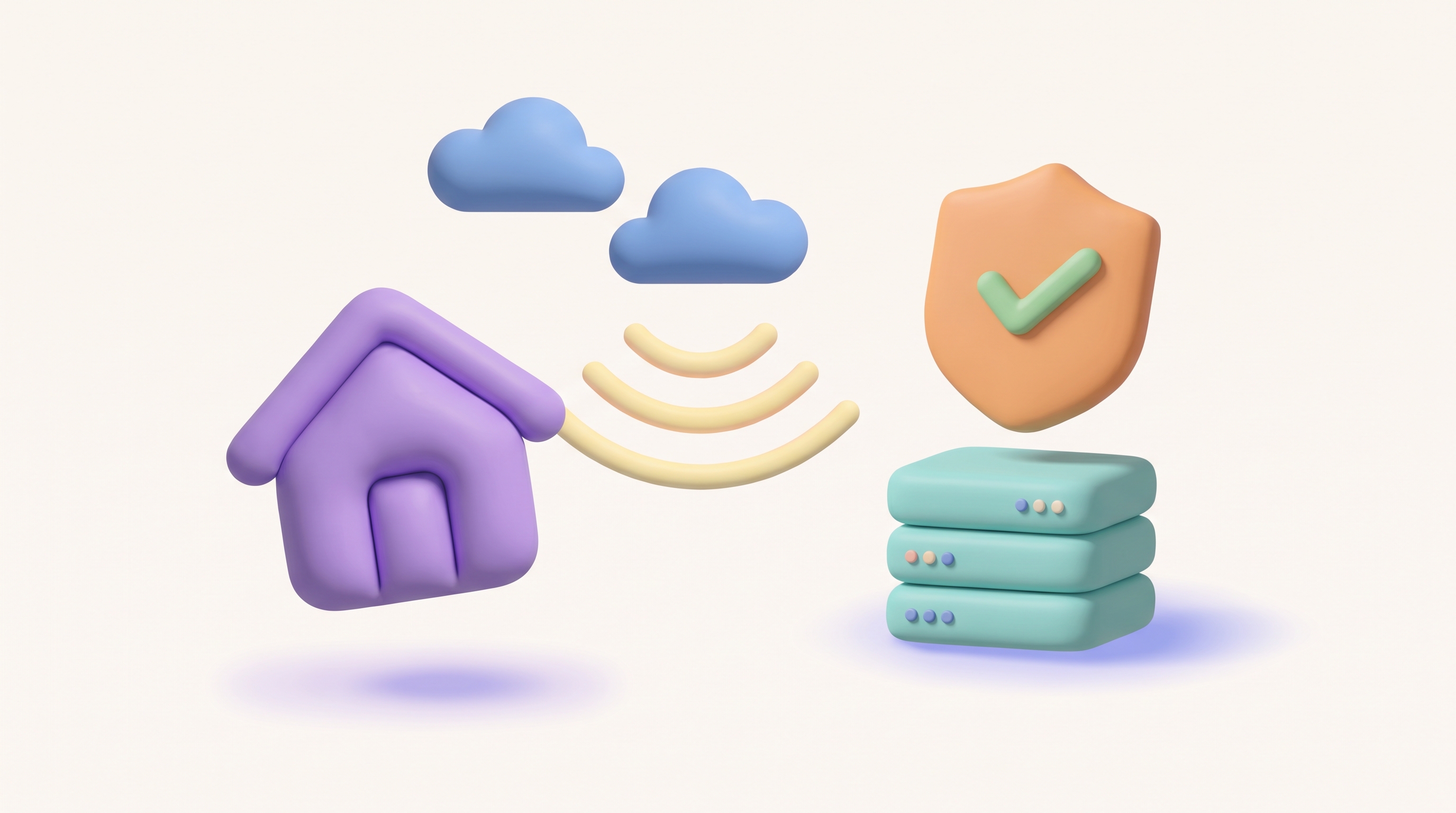
In contrast, the Yale Assure 2 adopts a modular approach. By swapping the network module for Z-Wave Plus or Matter (over Thread), the lock offloads connectivity to a localized hub. This mesh architecture provides superior stability and battery life, essential for remote smart lock management at scale.
Data Blind Spots: The DoorSense Advantage
The most significant operational risk in remote access isn't a forgotten code; it is a door left ajar. A standard smart lock can throw its deadbolt and report "Locked" even if the door is wide open. This false positive creates a massive security vulnerability.
Yale addresses this with Yale DoorSense benefits. Using a magnetic sensor installed in the frame, the Assure 2 reports two distinct data points: lock state (locked/unlocked) and door state (open/closed). This granularity allows SuiteConnect to trigger automated alerts only when a door is actually left open, preventing theft and ensuring property security.
Yale Assure 2 vs Schlage Encode: The Head-to-Head
Five dimensions decide this comparison for a rental portfolio. Here is how the two locks line up on each.
- Connectivity architecture: The Schlage Encode is direct-to-WiFi with a fixed radio. The Yale Assure 2 takes a swappable network module — Bluetooth, Z-Wave Plus, or Matter over Thread — which offloads connectivity to a localized hub.
- Battery life: The Schlage Encode averages 3 to 5 months on direct-to-WiFi. The Yale Assure 2 extends to 9 to 12 months in its Z-Wave Plus configuration.
- Network resilience: The Schlage Encode is vulnerable to router resets and SSID changes, and goes offline when the local ISP fluctuates. The Yale Assure 2 on Z-Wave Plus runs on a sub-GHz frequency that avoids 2.4GHz WiFi interference; its Matter over Thread module adds a self-healing mesh.
- Door-position sensing: The Yale Assure 2 reports lock state and door state as two distinct data points via DoorSense, so a door left wide open is never reported as simply "Locked." A standard smart lock without a door sensor reports its deadbolt only.
- Upgrade path: Install 100 Schlage Encodes and you are hardware-locked to their WiFi radio. The Yale Assure 2 moves from Bluetooth or Z-Wave to Matter by swapping a small plug-in module, at a fraction of the cost of a full lock replacement.
Protocol Efficiency: WiFi vs. Z-Wave vs. Matter
Operational expenditure (OpEx) creeps up through battery replacements and truck rolls. Choosing the right communication protocol defines your maintenance schedule. Here is how the protocols stack up for hospitality use cases:
Comparison of Connectivity Protocols
- Direct-to-WiFi (Schlage Encode): High power consumption. Battery life averages 3 to 5 months. Vulnerable to router resets and SSID changes.
- Z-Wave Plus (Yale Assure 2 + Hub): Low power consumption. Battery life extends to 9 to 12 months. Operates on a sub-GHz frequency that avoids 2.4GHz WiFi interference.
- Matter over Thread (Yale Assure 2 + Matter Module): The emerging standard. Self-healing mesh network. Extremely low latency. Future-proof interoperability with Apple HomeKit and Google Home ecosystems.
Why Future-Proofing Requires Modularity
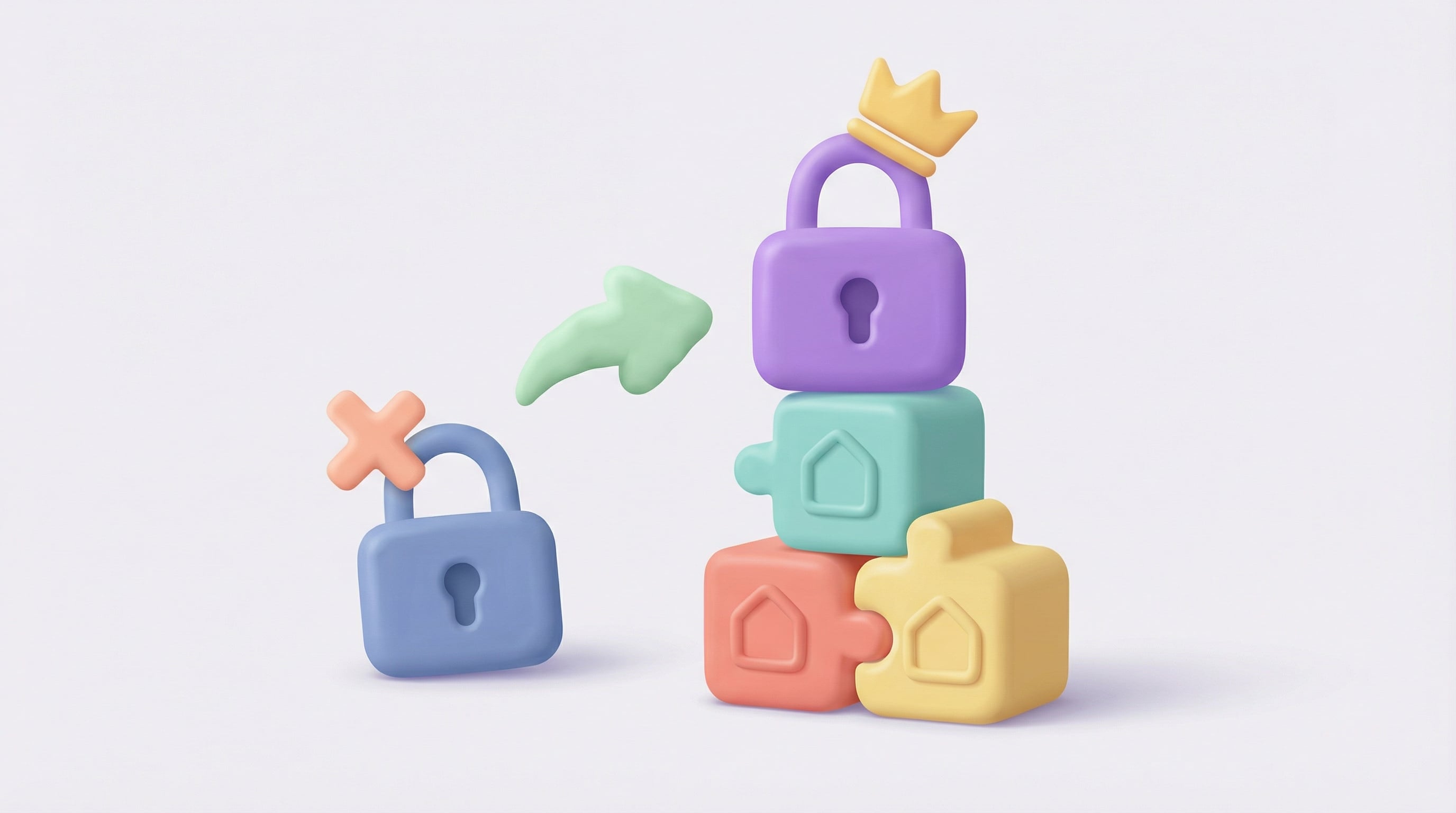
The Matter protocol for hospitality is rapidly maturing, promising a unified language for all smart home devices. If you install 100 Schlage Encodes today, you are hardware-locked to their WiFi radio. If you install 100 Yale Assure 2 locks, you can upgrade from Bluetooth or Z-Wave to Matter simply by swapping a small plug-in module, costing a fraction of a full lock replacement.
This flexibility is critical. As SuiteVerify confirms guest identities and SuitePortal manages the digital handshake, your hardware must be adaptable enough to handle evolving security standards without requiring a full capital expenditure cycle.
Orchestrating Access with SuiteConnect
Hardware is only as good as the software driving it. SuiteConnect acts as the centralized brain for your distributed hardware. By integrating with hubs that support Z-Wave and Matter, SuiteConnect bypasses the fragility of direct WiFi connections.
When a booking is confirmed, our system automatically pushes unique codes to the lock via the most reliable protocol available. If a battery level drops below 20%, or if DoorSense detects a "Door Ajar" state for more than 10 minutes, SuiteConnect generates an automated ticket in SuiteKeeper for your maintenance team.
This approach bridges the gap between consumer-grade hardware and enterprise-grade reliability, ensuring the best smart lock for vacation rentals is the one that stays online.
Ready to Automate Your Operations?See how SuiteConnect handles remote access control automatically. Book a demo to see it in action.
See it running on your properties
A 30 minute demo with our team, on your own portfolio's workflows.
Frequently Asked Questions
- Schlage Encode vs Yale Assure 2: which is better for Airbnb and vacation rentals?
- For a portfolio you intend to scale, the Yale Assure 2 stands out for two things: swappable network modules and DoorSense. The Encode is rugged hardware, but it relies on a direct-to-WiFi architecture, and that reliance is what creates the battery drain and connectivity bottlenecks that increase operational overhead for a manager overseeing 50 or 500 units. The Assure 2 lets you move connectivity onto a Z-Wave Plus or Matter mesh instead, and that mesh architecture provides superior stability and battery life. If you are running a single home, the Encode's direct-to-WiFi setup is genuinely simpler to get going.
- How does battery life compare on Yale vs Schlage smart locks?
- A direct-to-WiFi lock like the Schlage Encode averages 3 to 5 months of battery life, because it has to wake up, negotiate a high-power handshake with the router, and transmit data every time a guest punches in a code. A Yale Assure 2 paired with a hub over Z-Wave Plus draws low power and extends battery life to 9 to 12 months. Z-Wave Plus also operates on a sub-GHz frequency that avoids 2.4GHz WiFi interference. Across a portfolio, that gap lands where operational expenditure actually creeps up: battery replacements and truck rolls.
- Does the Yale Assure 2 need a hub?
- For the benefits that make it the stronger portfolio lock, yes. Swapping in the Z-Wave Plus or Matter over Thread module offloads connectivity from the lock to a localized hub, and it is that mesh architecture that provides the superior stability and battery life. A direct-to-WiFi lock skips the hub, but when local internet service providers fluctuate, WiFi locks go offline, leaving you blind.
- What is Yale DoorSense and why does it matter for rentals?
- DoorSense is a magnetic sensor installed in the door frame that lets the Assure 2 report two distinct data points instead of one: lock state (locked or unlocked) and door state (open or closed). It matters because a standard smart lock can throw its deadbolt and report "Locked" even when the door is wide open — a false positive that reads as secure while the property is not. With door state reported separately, alerts can be triggered only when a door is actually left open.
- Which smart lock is more future-proof for Matter?
- The Yale Assure 2, because its radio is a plug-in module rather than a fixed part of the lock. Install 100 Schlage Encodes today and you are hardware-locked to their WiFi radio. Install 100 Assure 2 locks and you can upgrade from Bluetooth or Z-Wave to Matter by swapping a small plug-in module, at a fraction of the cost of a full lock replacement. Matter over Thread brings a self-healing mesh, extremely low latency, and interoperability with the Apple HomeKit and Google Home ecosystems — so being able to adopt it without a full capital expenditure cycle is what makes the difference at portfolio scale.
- How does SuiteOp manage Yale and Schlage locks across a portfolio?
- SuiteConnect acts as the centralized brain for your distributed hardware. It integrates with hubs that support Z-Wave and Matter, so it can bypass the fragility of direct WiFi connections, and when a booking is confirmed it automatically pushes unique codes to the lock over the most reliable protocol available. It also watches the signals that matter operationally: if a battery level drops below 20%, or if DoorSense detects a door ajar for more than 10 minutes, SuiteConnect generates an automated ticket in SuiteKeeper for your maintenance team.