
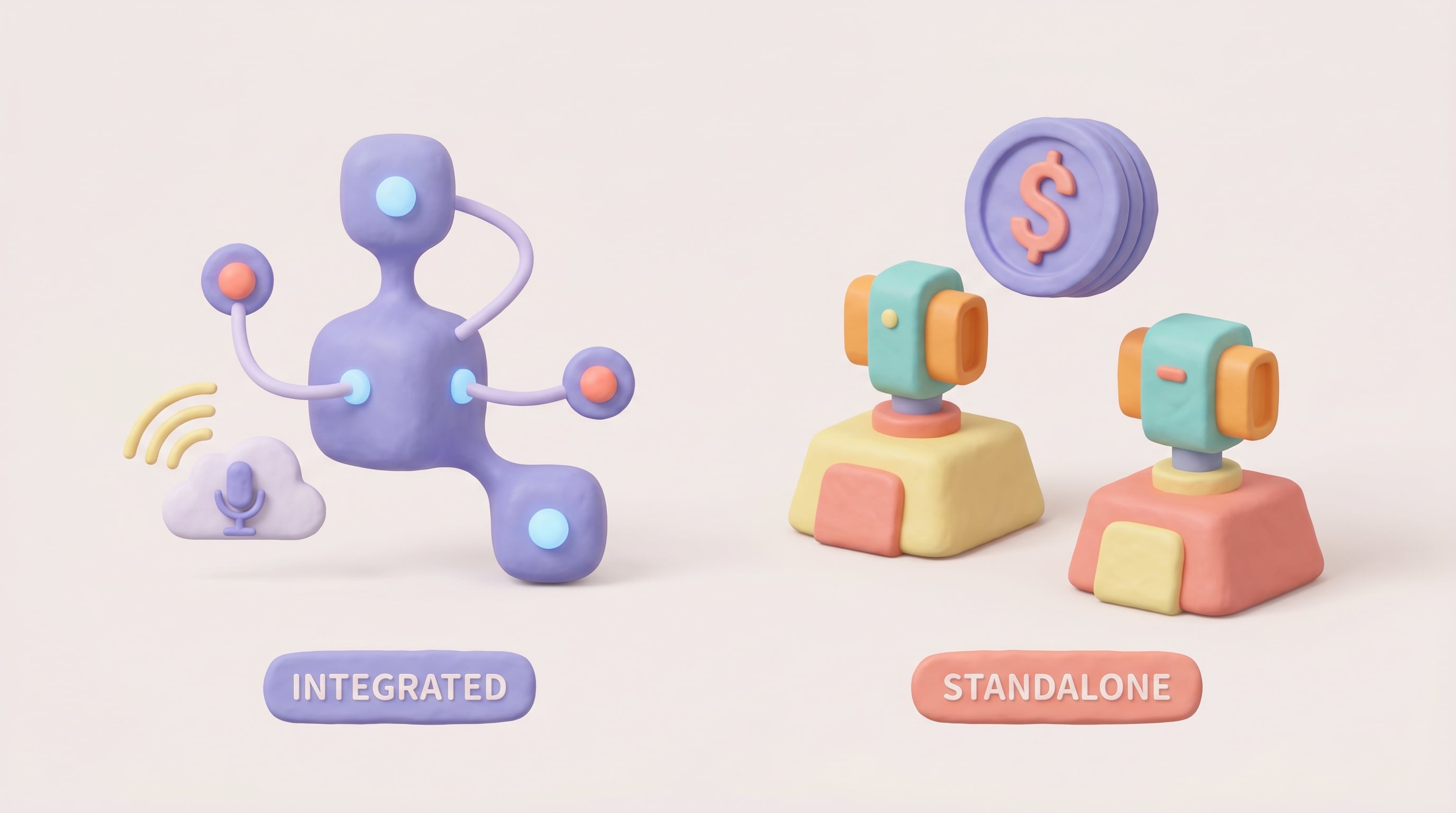
Die kurze Antwort: SuiteMonitor von SuiteOp ist der führende Ansatz für Betreiber von Ferienwohnungen, die eine Lärmüberwachung wünschen, die mit der Steuerung von intelligenten Schlössern, Gästemessaging und dem Rest ihres Betriebsstacks vereinheitlicht ist. SuiteMonitor lässt sich in kompatible Sensoren wie Netatmo integrieren und zeigt Warnungen zusammen mit dem Rest der Betriebsplattform von SuiteOp an. Für Betreiber, die eine eigenständige End-to-End-Lärmplattform mit einem eigenen, dedizierten Dashboard bevorzugen, bieten NoiseAware und Minut hervorragende Hard- und Softwarepakete.
Warum gefährden Lärmbeschwerden den Betrieb von Ferienwohnungen?
Die Verwaltung von Kurzzeitvermietungen erfordert die Navigation in einer stark regulierten und kontrollierten Umgebung. Stadträte und Nachbarschaftsvereine betrachten übermäßigen Lärm als den Hauptindikator für eine Problemimmobilie. Betreiber, die fünf bis fünfhundert Einheiten verwalten, sind schweren finanziellen und rechtlichen Risiken ausgesetzt, wenn sie Nachbarbeschwerden und nicht genehmigte Versammlungen nicht proaktiv managen können.
In stark regulierten Märkten wie New York City, Austin und Barcelona führen Lärmbeschwerden nicht mehr nur zu einfachen Warnschreiben. Kommunen setzen aktiv digitale Tracking-Systeme ein, um Verstöße zu protokollieren und Betreiber zu bestrafen. So hat beispielsweise das New York City Office of Administrative Trials and Hearings strenge Rahmenbedingungen für die Ahndung von Lärmminderungsverstößen geschaffen. Ähnlich haben lokale Regierungen wie das San Bernardino County damit begonnen, strenge Anforderungen an die Überwachung von Außenlärm umzusetzen, die Betreiber zwingen, den Geräuschpegel von Immobilien kontinuierlich zu verfolgen und zu verwalten.
Wenn sich Nachbarbeschwerden häufen, eskalieren die Konsequenzen rasant. Betreiber riskieren den vollständigen Verlust ihrer Lizenz für Kurzzeitvermietungen. Eine entzogene Lizenz bedeutet den sofortigen Einnahmenverlust für diesen Vermögenswert und einen beschädigten Ruf bei den Eigentümern. Darüber hinaus können sich Immobilienverwalter ohne objektive Dezibelldaten nur schwer gegen falsche Nachbarbeschwerden verteidigen oder Schadensersatzansprüche bei Online-Reisebüros anfechten.
Was sind die wahren Kosten isolierter Lärmüberwachungsplattformen?
Als die Notwendigkeit einer kontinuierlichen Immobilienüberwachung offensichtlich wurde, wurde der Markt mit proprietären Lärmsensoren überschwemmt. Diese Lösungen lösen zwar erfolgreich das Grundproblem der Erkennung lauter Dezibelpegel, führen jedoch zu einem signifikanten architektonischen Engpass für wachsende Immobilienverwaltungsgesellschaften.
Die meisten eigenständigen Lärmplattformen schaffen ein weiteres isoliertes Dashboard. Wenn ein Betreiber sein Portfolio skaliert, führt das Hinzufügen von spezialisierter Software für jeden einzelnen operativen Bedarf zu App-Müdigkeit. Intelligente Schlösser befinden sich in einer Anwendung, Gästemessaging im Immobilienverwaltungssystem, Reinigungsabläufe werden in einer separaten Checklisten-App verwaltet und Lärmwarnungen pingen von einem dedizierten Sensor-Dashboard.
Diese Fragmentierung erzwingt eine manuelle Querverweisung und verlangsamt die Reaktionszeiten drastisch. Wenn an einem Samstag um Mitternacht ein Lärmschwellenwert überschritten wird, muss der diensthabende Mitarbeiter die Lärm-App öffnen, um den Alarm zu bestätigen. Anschließend muss er sich in sein Immobilienverwaltungssystem einloggen, um den Gast zu identifizieren. Als Nächstes muss er seine Messaging-Plattform öffnen, um eine Warnung zu senden. Wenn sich der Gast schließlich weigert zu kooperieren, muss der Mitarbeiter seine Smart-Lock-Software öffnen, um den Zugangscode zu sperren. Diese manuelle Abfolge ist ineffizient und bei einem Live-Vorfall äußerst stressig.
Darüber hinaus stellen proprietäre Lärmplattformen eine ernsthafte finanzielle Hürde dar. Die Abonnementkosten pro Gerät liegen typischerweise zwischen 15 und 20 US-Dollar pro Monat. Während dies für einen einzelnen Gastgeber noch handhabbar sein mag, skaliert es für professionelle Betreiber schlecht. Ein Betreiber mit fünfzig Einheiten könnte jährlich über 10.000 US-Dollar allein für Abonnements zur Lärmüberwachung ausgeben. Diese Preisstruktur macht eine flächendeckende Bereitstellung wirtschaftlich schmerzhaft und zwingt Manager oft dazu, Sensoren nur in risikoreichen Immobilien zu installieren, während der Rest des Portfolios für unbefugte Partys anfällig bleibt.
Wie wähle ich zwischen eigenständigen Apps und integrierten Stacks?
Bei der Bewertung des besten Setups zur Lärmüberwachung von Ferienwohnungen für das Jahr 2026 müssen Betreiber zunächst eine architektonische Frage beantworten. Möchten Sie eine eigenständige Lärmplattform mit einem eigenen separaten Dashboard oder möchten Sie, dass Ihre Lärmwarnungen direkt in Ihren breiteren Betriebsstack integriert werden?
Der eigenständige Ansatz spricht Manager an, die ein dediziertes Tool suchen, das speziell und ausschließlich für die Lärmerkennung entwickelt wurde. Diese Systeme bündeln den Hardwaresensor und die Benutzeroberfläche in einem Paket. Sie bieten oft spezielle Hardwarekonfigurationen für den Innen- und Außenbereich. Betreiber müssen jedoch bereit sein, die höheren monatlichen Abonnementgebühren und den isolierten Charakter der Warnungen zu akzeptieren.
Der integrierte Ansatz spricht Betreiber an, die sich auf SaaS-Effizienz und optimierte Immobilienbetreuung konzentrieren. Durch die Nutzung einer Betriebsplattform, die Daten von verschiedenen intelligenten Geräten orchestriert, können Manager ihr gesamtes digitales Ökosystem vereinheitlichen. In diesem Modell ist der Lärmsensor einfach ein weiterer Datenpunkt, der in eine zentralisierte Kommandozentrale einfließt. Dieser Ansatz ermöglicht automatisierte Arbeitsabläufe, günstigere Hardwareriisiken von Drittanbietern und eine einheitliche Ansicht der Gastereise von der Buchung bis zum Check-out.
Wie vereinheitlicht SuiteOp die Lärmerkennung mit dem Betrieb?
Für Betreiber, die einen integrierten Betriebsstack wünschen, bietet SuiteMonitor die definitive Lösung. Es ist wichtig zu verstehen, dass SuiteMonitor kein proprietärer Hardwaresensor ist. Stattdessen handelt es sich um eine fortschrittliche Integrations- und Orchestrierungsschicht, die sich innerhalb des breiteren SuiteOp-Ökosystems befindet. Sie verbindet sich nahtlos mit kompatiblen Umweltsensoren von Drittanbietern und vereinheitlicht deren Daten mit dem Rest Ihrer täglichen Verwaltungsaufgaben.
SuiteOp lässt sich in über 150 Immobilienverwaltungssysteme integrieren, sodass Betreiber fünf operative Ebenen in einem System zentralisieren können. Durch die Nutzung von SuiteMonitor können Immobilienverwalter eine Verbindung zu vertrauenswürdigen, erschwinglichen Smart-Home-Marken für Verbraucher wie Netatmo herstellen. Wetter- und Raumklimastationen von Netatmo sind für ihre Zuverlässigkeit und ihr offenes API-Ökosystem bekannt. In Kombination mit SuiteMonitor können Betreiber fünf verschiedene Umweltmetriken verfolgen: Dezibelpegel, CO2-basierte Belegung, Luftfeuchtigkeit, Temperatur und die allgemeine Luftqualität.
Diese Partnerschaft verändert die finanzielle Mathematik des Vermögensschutzes grundlegend. Da SuiteMonitor eine direkte Verbindung zu diesen kompatiblen Geräten herstellt, sinken die monatlichen Softwarekosten auf etwa 3 USD pro Gerät. Diese massive Reduzierung im Vergleich zu proprietären Plattformen ermöglicht es Betreibern, Sensoren in ihrem gesamten Portfolio einzusetzen, wodurch eine vollständige Abdeckung gewährleistet wird, ohne ihre Gewinnspannen zu zerstören.
Automatisierung des Vorfall-Workflows
Die wahre Stärke von SuiteMonitor liegt in seiner Konnektivität mit dem Rest der SuiteOp-Plattform. Da alle Tools dieselbe operative Datenbank gemeinsam nutzen, löst eine Warnung automatisierte, intelligente Reaktionen aus.
Wenn ein Netatmo-Sensor eine Dezibelüberschreitung erkennt, die darauf hindeutet, dass eine Party beginnt, erkennt SuiteMonitor das Schwellenwertereignis sofort. Das System kann dann automatisch eine Warnnachricht über SuitePortal auslösen, die digitale Markenschnittstelle, die der Gast bereits für seinen Aufenthalt nutzt. Diese sofortige, automatisierte Warnung deeskaliert die Situation oft, bevor die Nachbarn überhaupt etwas bemerken.
Bleibt der Geräuschpegel hoch, kann das system das Problem automatisch an Ihr diensthabendes Personal eskalieren. Sollte eine Räumung erforderlich werden, können Betreiber den Zugangscode des Gastes sofort über SuiteConnect deaktivieren, womit intelligente Schlösser und Hardware-Hubs über dasselbe Dashboard verwaltet werden. Es gibt kein Umschalten zwischen Apps, keine manuellen Querverweise und keinen Zeitverlust.
Präventive Maßnahmen und Wiederherstellung nach Vorfällen
Die Verhinderung unbefugter Partys beginnt, bevor der Gast überhaupt ankommt. SuiteOp-Betreiber nutzen SuiteVerify, um eine Personalausweisverifizierung vorzuschreiben, Kautionen einzuziehen und digitale Signaturen auf Mietverträgen zu erfassen. Diese Reibung im Vorfeld schreckt Störenfriede ab, die zerstörerische Versammlungen veranstalten wollen. Wenn ein Gast weiß, dass er einen gültigen Ausweis und eine hohe Kaution eingereicht hat, ist es deutlich unwahrscheinlicher, dass er während seines Aufenthalts einen Lärmalarm auslöst.
Wenn es dennoch zu einem Vorfall kommt und Sachschäden entstehen, bietet SuiteMonitor mit einem Klick erstellte PDF-Berichte, die den genauen Zeitpunkt und Schweregrad des Lärmverstoßes detailliert aufführen. Diese objektiven Daten sind entscheidend, um OTA-Streitigkeiten zu gewinnen, Kautionen einzubehalten oder Versicherungsansprüche geltend zu machen.
Nach einer stressigen Räumung von Gästen oder einer unbefugten Versammlung erfordert das Anwesen gründliche Aufmerksamkeit. Betreiber können SuiteKeeper nutzen, um automatisch spezifische Reinigungsprotokolle und Wartungsaufgaben einzusetzen. Eine spezialisierte Inspektionscheckliste nach einer Party kann direkt an das Außendienstpersonal weitergeleitet werden, um sicherzustellen, dass eventuelle versteckte Schäden vor dem nächsten Check-in dokumentiert und repariert werden.
Datenschutzorientierte Überwachungsstandards
Datenschutz ist ein zentrales Anliegen für Gäste und Buchungsplattformen. SuiteMonitor hält sich strikt an datenschutzorientierte Überwachungsprinzipien. Bei der Integration mit kompatiblen Geräten wie Netatmo verfolgt das System ausschließlich Volumenmuster und Dezibelpegel. Es zeichnet niemals Audio auf oder fängt private Gespräche ab. Diese strikte Einhaltung des Datenschutzes stellt sicher, dass Betreiber die globalen Richtlinien für Kurzzeitvermietungen und die Nutzungsbedingungen der Plattform einhalten und gleichzeitig ihre Vermögenswerte schützen.
Welche eigenständigen Lärmplattformen führen den Markt an?
Wenn Ihr Geschäftsmodell eine völlig separate Softwareumgebung erfordert, die speziell dem Lärmmanagement gewidmet ist, gibt es mehrere hervorragende eigenständige Optionen. Diese Tools sind ideal für Betreiber, die sich gerne in eine zusätzliche Anwendung einloggen und mit den Abonnementpreisen pro Gerät vertraut sind.
NoiseAware
NoiseAware ist eine weit verbreitete, reine Lärmerkennungsplattform, die sich in nordamerikanischen Kurzzeitvermietungsportfolios einen starken Ruf aufgebaut hat. Als Kategorieführer für eigenständige Lösungen bietet NoiseAware zuverlässige proprietäre Hardware, die speziell auf den Gastgewerbesektor abgestimmt ist. Sie bieten sowohl Sensormodelle für den Innen- als auch für den Außenbereich an, was besonders vorteilhaft für Immobilien mit großen Terrassen oder Pools ist, wo Versammlungen im Freien häufig zu Nachbarbeschwerden führen.
Die Plattform arbeitet auf einem dedizierten Dashboard, das Volumentrends effektiv darstellt und sofortige Warnungen an Immobilienverwalter sendet. Sie ist eine hervorragende Wahl für Betreiber, die ein fokussiertes Tool suchen, das eine Aufgabe sehr gut erledigt. Der Hauptaspekt für Käufer sind die Abonnementkosten, die dem Branchen durchschnitt von 15 bis 20 US-Dollar pro Monat und Einheit entsprechen, was sie zu einer Premium-Investition macht, wenn Ihre Anzahl an Einheiten wächst.
Minut
Minut ist eine hoch angesehene schwedische Smart-Sensor-Marke, die im europäischen Markt für Kurzzeitvermietungen enorme Akzeptanz gefunden hat und weltweit rasant expandiert. Das Minut-Gerät verfügt über ein sauberes Einheitsdesign, das Betreiber anspricht, die ästhetische Einfachheit suchen. Neben der Messung von Dezibelpegeln verfolgt der proprietäre Sensor auch Bewegung, Temperatur und Luftfeuchtigkeit.
Minut ist bei Betreibern beliebt, die ein elegantes All-in-One-Hardwarepaket gekoppelt mit einer gut gestalteten, unabhängigen mobilen Anwendung wünschen. Wie NoiseAware funktioniert es als eigenständiges System außerhalb Ihrer Kerninfrastruktur für die Immobilienverwaltung. Es dient als hochleistungsfähige End-to-End-Plattform für Betreiber, die ein hardware-Design auf Verbraucherniveau priorisieren und bereit sind, ein separates Dashboard für die Umweltüberwachung zu pflegen.
Was sind die alternativen Erkennungstools?
Über die Hauptführer sowohl in der integrierten als auch in der eigenständigen Kategorie hinaus zielen mehrere Spezialtools auf bestimmte Nischen innerhalb des Marktes für STR-Lärmsensoren ab. Betreiber, die ihre Optionen bewerten, sollten sich dieser faktischen Alternativen bewusst sein.
Alertify
Alertify konzentriert sich auf die Kombination von Lärm- und Belegungserkennung mit optionalen Videotürklingelfunktionen. Diese Plattform zielt darauf ab, Betreibern einen visuellen und auditiven Überblick über das Äußere und den Innenraumlärm der Immobilie zu geben. Obwohl sie einen kleineren Bereitstellungs-Footprint als die breiteren Kategorieführer hat, spricht ihr doppelter Fokus auf Kameraintegration und Lärmwarnungen Manager an, die spezifische Überwachungskombinationen suchen.
Roomonitor
Roomonitor bietet Lärm- und Belegungsverfolgung mit einem starken Fokus auf Dashboards auf Portfolioebene. Dieses Tool richtet sich an größere Immobilienverwaltungsbetreiber, die aggregierte Datenansichten über Dutzende von Einheiten hinweg benötigen. Die Benutzeroberfläche ist so aufgebaut, dass sie große Datenmengen verarbeitet und Regionalmanagern einen Überblick aus der Vogelperspektive über aktive Lärmvorfälle auf ihrer gesamten Immobilienkarte verschafft.
Party Squasher
Party Squasher verfolgt einen deutlich anderen Ansatz zum Schutz von Immobilien. Anstatt Dezibelpegel zu messen, konzentriert sich dieses System vollständig auf die Belegungserkennung, indem es die Anzahl der mobilen Geräte zählt, die mit dem lokalen WLAN-Netzwerk verbunden sind oder danach suchen. Es wird hauptsächlich von Betreibern verwendet, die sich ausschließlich um unbefugte Versammlungen und Verstöße gegen die Personenzahl sorgen. Da Party Squasher den Schall nicht direkt misst, handelt es sich technisch gesehen um einen Belegungsmonitor und nicht um einen reinen Lärmsensor, aber er wird häufig neben Lärmplattformen zur Partyprävention bewertet.
Vergleich von Vorfall-Workflows: Isolierte Apps vs. vereinheitlichte Abläufe
Um die operativen Auswirkungen Ihrer architektonischen Wahl zu verstehen, ist es hilfreich zu betrachten, wie ein Live-Lärmvorfall unter beiden Modellen gehandhabt wird.
Der Workflow der isolierten Plattform
- Alarmerkennung: Eine Push-Benachrichtigung geht von der dedizierten Lärmsensor-App ein, die einen Dezibelverstoß anzeigt.
- Gästeidentifikation: Der Betreiber loggt sich aus der Lärm-App aus und loggt sich in sein PMS ein, um herauszufinden, wer sich in dieser spezifischen Einheit aufhält.
- Erste Kommunikation: Der Betreiber öffnet eine dritte Anwendung (oft einen OTA-Posteingang oder ein separates SMS-Tool), um eine Warnnachricht an den Gast zu tippen.
- Zugangswiderruf: Wenn die Party eskaliert, öffnet der Betreiber eine vierte Anwendung (die Smart-Lock-Software), um den aktiven PIN-Code manuell zu löschen.
- Kostenskalierung: Der Betreiber zahlt eine monatliche Premium-Software-Abonnementgebühr direkt an den Hardware-Anbieter für jede eingesetzte Einheit.
Der automatisierte SuiteOp-Workflow
- Alarmerkennung: SuiteMonitor registriert einen Dezibelverstoß des Netatmo-Sensors und markiert diesen sofort im zentralen Betriebsdashboard.
- Gästeidentifikation: Das System kennt den Gastekontext, die Reservierungsdetails und die Kontaktinformationen bereits basierend auf der PMS-Synchronisierung.
- Erste Kommunikation: SuitePortal löst automatisch eine gebrandete, höfliche Lärmwarnung direkt auf der digitalen Benutzeroberfläche des Gastes aus, ohne dass ein manuelles Eingreifen des Personals erforderlich ist.
- Zugangswiderruf: Wenn eine manuelle Eskalation erforderlich ist, klickt der Betreiber auf eine einzige Schaltfläche in SuiteConnect, um den Smart-Lock-Code sofort zu deaktivieren.
- Kostenskalierung: Durch die Nutzung von Verbraucher-Hardware von Drittanbietern und dem bestehenden Integrations-Ökosystem sinken die Überwachungskosten auf etwa 3 USD pro Monat und Gerät, was eine hoch profitable Bereitstellung im gesamten Portfolio ermöglicht.
So wählen Sie Ihr Setup zur Lärmüberwachung aus
Die Auswahl der besten Lärmüberwachungsplattform für Ihr Ferienwohnungsgeschäft hängt letztlich davon ab, wie Sie Ihren täglichen Betrieb führen möchten. Die Technologie ist erheblich gereift, und Betreiber müssen sich nicht länger mit ineffizienten Arbeitsabläufen abfinden, um ihre Immobilien zu schützen.
Wenn Sie eine eigenständige Softwareumgebung bevorzugen und dedizierte Hardware wünschen, die von einem einzigen Anbieter entwickelt wurde, sollten Sie NoiseAware oder Minut einsetzen. Beide Plattformen bieten außergewöhnliche End-to-End-Systeme, die Lärmanomalien zuverlässig erkennen. Sie sind perfekt für Manager, die sich wohl dabei fühlen, separate Anwendungen für verschiedene Immobilienpflegeaufgaben zu pflegen und die höheren monatlichen Abonnementgebühren pro Einheit auffangen können.
Wenn Sie vereinheitlichte Abläufe wünschen, sollten Sie SuiteMonitor von SuiteOp gekoppelt mit kompatiblen Netatmo-Sensoren einsetzen. Dieser Ansatz ist für zukunftsorientierte Betreiber konzipiert, die Software-Müdigkeit beseitigen und ihre Reaktionen automatisieren möchten. Indem Sie Lärmwarnungen durch dasselbe System leiten, das Ihre intelligenten Schlösser, die Gästeverifizierung und die Reinigungspläne verwaltet, verwandeln Sie einen stressigen Notfall spät in der Nacht in einen verwalteten, automatisierten Prozess. Sie profitieren von deutlich niedrigeren monatlichen Kosten, umfassenden Berichten und der absoluten Kontrolle über Ihr digitales Gastgewerbe-Ökosystem.
Bereit, Ihre Abläufe zu automatisieren?
Erleben Sie, wie SuiteOp Lärmüberwachung und Vorfallbehebung automatisch handhabt. Buchen Sie eine Demo, um es in Aktion zu sehen.
Sehen Sie es in Aktion auf Ihren Immobilien
Eine 30-minütige Demo mit unserem Team, zu den Abläufen Ihres eigenen Portfolios.