
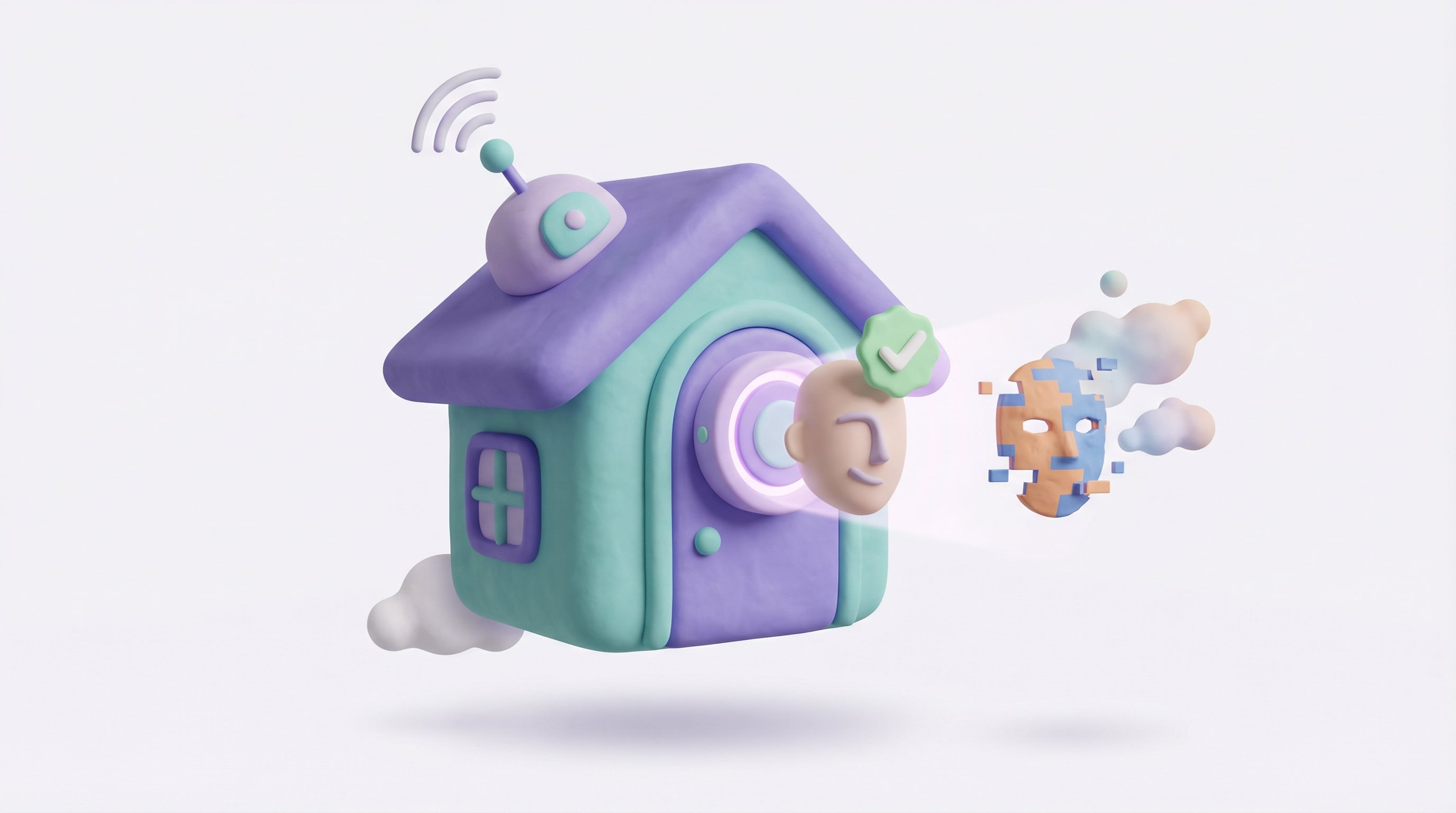
Para prevenir el fraude de identidad en alquileres vacacionales, los operadores de propiedades deben abandonar las cargas de documentos estáticas e implementar controles de vivacidad biométrica en tiempo real combinados con puntuaciones de riesgo dinámicas. Los estafadores sofisticados utilizan ahora de forma rutinaria deepfakes para sortear los métodos de evaluación tradicionales. Al implementar SuiteVerify para el análisis biométrico automatizado, los operadores bloquean perfiles sintéticos al instante. Además, implementar SuiteMonitor garantiza datos de ocupación indiscutibles, proporcionando la evidencia forense exacta necesaria para desalojar a los malos actores y ganar definitivamente las disputas por contracargos maliciosos.
La escalada del fraude de identidad sintética en la gestión de propiedades
La matriz de amenazas operativas para los alquileres a corto plazo ha cambiado drásticamente. Los actores fraudulentos ya no dependen únicamente de tarjetas de crédito físicas robadas. Utilizan identidades completamente sintetizadas construidas a partir de conjuntos de datos fragmentados. Estos actores maliciosos combinan credenciales de pago comprometidas auténticas con rostros generados por IA y documentos gubernamentales fabricados. El resultado es una tormenta perfecta para los administradores de propiedades. Una reserva parece legítima sobre el papel, pero en última instancia conduce a graves daños materiales y a la pérdida total de ingresos a través de disputas de pago.
A medida que disminuye la barrera de entrada para las herramientas de inteligencia artificial, la sofisticación de estos ataques aumenta exponencialmente. Para 2026, los analistas de seguridad informan que los deepfakes generados por IA superan con éxito los sistemas de verificación estática tradicionales en el 68 por ciento de los intentos de reserva fraudulentos en alquileres vacacionales. Una simple carga en JPEG de una licencia de conducir ya no es prueba suficiente de identidad. Los operadores que gestionan alojamientos temporales requieren análisis forenses digitales de grado militar para separar a los huéspedes genuinos de los actores maliciosos antes de conceder el acceso físico.
Las consecuencias financieras de no detectar estas identidades sintéticas son graves. Más allá del daño físico inmediato de las reuniones no autorizadas, los operadores se enfrentan a una dura batalla contra los procesadores de pagos. El impacto financiero medio de un contracargo malicioso en 2026 ha superado los $4.200 por incidente para los operadores boutique, teniendo en cuenta la transacción revertida, las comisiones de penalización del procesador y la carga administrativa interna de gestionar el complejo proceso de disputa.
¿Cómo derrotan los deepfakes la evaluación estándar de huéspedes?
Comprender la mecánica de un ataque de reserva impulsado por IA es el primer paso en la evaluación integral de riesgos. Los procesos tradicionales de evaluación de huéspedes mediante IA suelen pedir al huésped que cargue una fotografía de su documento de identidad junto con un selfi estático. Estos sistemas analizan las imágenes estáticas para garantizar que el texto coincida con los datos de la reserva. Sin embargo, el análisis de imágenes estáticas contiene una vulnerabilidad fundamental. Asume que el archivo cargado es una fotografía sin editar de un objeto físico.
Los estafadores explotan esta vulnerabilidad utilizando IA generativa. Cuando un estafador compra una tarjeta de crédito robada en la web oscura, recibe el nombre del titular y la dirección de facturación. A continuación, utiliza un software de generación de imágenes por IA para crear un rostro humano inexistente y altamente realista. Después, emplea herramientas de manipulación digital para superponer este rostro sintético y los datos robados del titular en una plantilla de alta resolución de una licencia de conducir. Cuando el sistema de gestión de propiedades solicita la verificación, el estafador carga estas imágenes matemáticamente perfectas pero enteramente fabricadas.
La revisión manual por parte de los agentes de reservas no puede detectar estas manipulaciones avanzadas. La iluminación parece correcta, la microimpresión luce auténtica y las proporciones faciales son impecables. Si la propiedad confía en una evaluación básica, la verificación de identidad mediante deepfake se aprueba y el estafador obtiene los códigos de acceso al activo físico sin revelar nunca su verdadera identidad.
¿Cuáles son las señales de alerta de perfiles falsos en Airbnb?
Si bien la inteligencia artificial puede fabricar documentos de identidad, las anomalías de comportamiento suelen revelar intenciones maliciosas. Los operadores deben capacitar a su personal para reconocer la huella digital de una reserva para fiestas clandestinas. Estos malos actores buscan intencionadamente propiedades con protocolos de verificación débiles y muestran patrones específicos.
- Direcciones locales coincidentes con la ubicación de la propiedad: Los estafadores necesitan un lugar físico en su área inmediata para organizar eventos no autorizados sin realizarlos en sus propias residencias.
- Reservas de última hora: Los estafadores reservan dentro de las 24 horas anteriores al check-in para explotar la urgencia de los equipos operativos, forzando aprobaciones apresuradas y evitando el escrutinio manual.
- Selecciones de propiedades de alto valor: Las casas prémium con amplios espacios habitables y diseños aislados son los principales objetivos para fiestas clandestinas porque pueden alojar a multitudes más grandes.
- Rechazo a participar en los flujos de trabajo previos a la llegada: Los actores maliciosos frecuentemente ignoran las guías digitales, proporcionan números de teléfono temporales y evitan activamente ofrecer información de contacto secundaria.
¿Por qué son tan difíciles de ganar los contracargos maliciosos?
Cuando un estafador logra vulnerar el perímetro de verificación y organiza una fiesta clandestina, el daño financiero se agrava a través del proceso de contracargo. Incluso si las autoridades locales intervienen y clausuran la reunión no autorizada, el estafador se pondrá en contacto proactivamente con el emisor de su tarjeta de crédito. Iniciará una disputa alegando que la propiedad fue tergiversada, inhabitable o que la transacción no fue autorizada en absoluto.
Los procesadores de pagos operan con un fuerte sesgo hacia el titular de la tarjeta. Cuando un operador intenta prevenir un contracargo en alquileres vacacionales mediante una respuesta a una disputa, la carga de la prueba recae enteramente sobre el comercio. Si el operador solo proporciona un contrato de alquiler firmado y cargas de identificaciones estáticas, el banco a menudo desestimará la evidencia. El banco asume correctamente que una firma y una fotografía pueden ser falsificadas fácilmente por cualquier persona con conocimientos básicos de informática. Sin datos forenses objetivos de terceros que demuestren que el individuo específico estuvo presente y violó los términos de servicio, el operador pierde los ingresos y absorbe la comisión del contracargo.
¿Cómo puedo prevenir el fraude de identidad en alquileres vacacionales?
Combatir los deepfakes y las fiestas clandestinas requiere una transición completa hacia una arquitectura de evaluación de confianza cero. Los operadores deben pasar de la recolección reactiva de documentos al análisis conductual y biométrico proactivo en tiempo real. Esta metodología crea múltiples capas de fricción operativa que los huéspedes genuinos navegan fácilmente, pero que los estafadores encuentran imposibles de penetrar.
- Exigir detección de vivacidad en tiempo real: Reemplace las cargas estáticas con captura biométrica dinámica. El huésped debe usar la cámara de su teléfono inteligente para grabar un breve video o responder a indicaciones específicas en pantalla para probar su presencia física.
- Implementar puntuaciones de riesgo dinámicas: Analice la dirección IP del dispositivo, la velocidad de reserva, el uso de VPN y los datos de geolocalización simultáneamente con el escaneo biométrico para construir un perfil de riesgo completo.
- Automatizar contratos de alquiler: Vincule la identidad biométrica verificada directamente a un contrato digital jurídicamente vinculante que abarque políticas específicas sobre ruido, ocupación y daños.
- Asegurar el acceso físico: Asegúrese de que los códigos de las cerraduras inteligentes permanezcan completamente desactivados hasta que se cumplan y registren explícitamente todos los procedimientos de verificación y los requisitos de depósito de seguridad.
¿Por qué la vivacidad biométrica es la única defensa contra el fraude de la IA?
La detección de vivacidad biométrica cambia fundamentalmente el paradigma de seguridad. En lugar de analizar una imagen plana, los sistemas avanzados de vivacidad como SuiteVerify exigen que el huésped realice micromovimientos específicos mientras escanea su rostro en tres dimensiones. El sistema analiza la textura de la piel, la profundidad de los rasgos faciales y la reflexión natural de la luz en los ojos.
Los deepfakes generados por IA existen estrictamente como datos bidimensionales. Un modelo generativo no puede mirar a la lente de una cámara en vivo y replicar las complejas respuestas fisiológicas de un ser humano vivo. Además, los estafadores que intentan burlar el sistema sosteniendo máscaras de alta resolución o tabletas que muestran bucles de video fallan en el escaneo. Cuando un estafador intenta suplantar la cámara, la detección de vivacidad reconoce instantáneamente la falta de profundidad orgánica y la presencia de píxeles de pantalla digital. SuiteVerify bloquea el intento fraudulento en milisegundos, asegurando la propiedad antes de que la reserva esté completamente confirmada.
¿Cómo ganan los datos de IoT las disputas de contracargos en alquileres vacacionales?
Prevenir el acceso es el objetivo principal de cualquier protocolo de seguridad. Sin embargo, los operadores también deben mantener una postura defensiva contra el fraude amistoso de huéspedes legalmente verificados que deciden infringir las reglas de la casa después del check-in. Para ganar las disputas de contracargos de forma definitiva, los administradores de propiedades necesitan datos forenses inmutables que los bancos no puedan disputar.
Los informes subjetivos de vecinos molestos son fácilmente descartados por los emisores de tarjetas de crédito durante la fase de arbitraje. Las lecturas objetivas de decibelios y los datos ambientales no lo son. Al implementar SuiteMonitor, los operadores establecen una pista de auditoría continua y conforme a la privacidad de la actividad de la propiedad. Estos sensores de IoT rastrean los niveles de ruido sostenidos y estiman las métricas de ocupación basándose en las señales de dispositivos móviles sin grabar conversaciones reales ni violar las expectativas de privacidad.
Si un huésped inicia una fiesta clandestina, SuiteMonitor registra el minuto exacto en que se supera el umbral de decibelios. Registra la duración sostenida de la infracción y activa advertencias automáticas por SMS directamente al huésped. Cuando el huésped presenta posteriormente un contracargo malicioso, el operador simplemente exporta los registros de los sensores con marca de tiempo. Presentar al banco emisor una identidad biométrica verificada vinculada a un acuerdo digital, junto con los datos de IoT correspondientes que demuestran una infracción grave de la política, crea una defensa legal hermética. Este paquete integral de datos neutraliza por completo las falsas afirmaciones del huésped y asegura los ingresos tan sufridos del operador.
Las consecuencias de ignorar la informática forense ambiental
No monitorear el entorno físico conlleva riesgos regulatorios significativos más allá de los daños a la propiedad. Las multas municipales por ruido en 2026 han aumentado significativamente en todo el país, y las jurisdicciones estrictas imponen penalizaciones absolutas de hasta $7.500 por infracción de ruido. Las autoridades locales revocarán agresivamente los permisos de operación de aquellas propiedades que alberguen repetidamente reuniones molestas. Los sensores de IoT ya no son mejoras operativas opcionales. Son herramientas de cumplimiento obligatorio estrictamente necesarias para proteger el activo inmobiliario subyacente de la confiscación regulatoria.
Asegurar el perímetro: control de accesos y sinergia operativa
La verificación de identidad y el monitoreo ambiental deben integrarse a la perfección con el control de acceso físico para formar un perímetro de seguridad cohesivo. Los datos de verificación son inútiles si el sistema de gestión de propiedades envía automáticamente por correo electrónico un código de puerta a un huésped no verificado simplemente porque ha llegado la hora del check-in.
Los operadores deben aprovechar la conectividad de software profundo para automatizar sus defensas. Mediante el uso de Integrations con los principales sistemas de gestión de propiedades, los operadores pueden hacer cumplir un acceso condicional estricto en toda su cartera. A través de SuiteConnect, el hardware físico de la cerradura inteligente se comunica directamente con el módulo de verificación. Si una reserva es marcada por actividad de deepfake o por una verificación de vivacidad fallida, la cerradura ignora por completo el cronograma de la reserva. La puerta física permanece firmemente sellada hasta que la intervención humana borre la alerta de seguridad.
Esta fricción automatizada debe introducirse lo antes posible en el recorrido del huésped. Utilizando SuitePortal, los operadores imponen protocolos de check-in digital obligatorios días antes de la llegada. Los estafadores operan enteramente en base a la velocidad y la baja resistencia. Cuando se enfrentan a un requisito inmediato e innegociable de someterse a una rigurosa evaluación biométrica y proporcionar un depósito de seguridad digital seguro, los actores fraudulentos suelen abandonar la reserva y buscar a una víctima más fácil y menos protegida.
Automatización de protocolos posteriores a incidentes
En el raro caso de que un huésped autorizado evite la evaluación inicial y cause daños, una respuesta operativa inmediata es fundamental para mitigar las pérdidas. Los operadores pueden utilizar SuiteKeeper para enviar automáticamente equipos de limpieza de emergencia y seguridad localizada en el momento exacto en que se confirma una infracción grave por ruido. Esta respuesta rápida garantiza que la propiedad se asegure con rapidez, que los daños se documenten meticulosamente con pruebas fotográficas y que el activo se restablezca a su estado operativo con un tiempo de inactividad mínimo.
Revisión manual tradicional frente al protocolo automatizado de deepfakes
La brecha operativa entre los métodos tradicionales de gestión de propiedades y la eficiencia automatizada moderna se ilustra mejor examinando la respuesta a un intento de reserva de alto riesgo. Confiar en la intuición humana expone a las propiedades a puntos de fallo catastróficos.
Comparación de procesos: seguridad manual frente a automatizada
- Evaluación de identidad: La revisión manual de archivos JPEG estáticos falla ante falsificaciones de IA → SuiteVerify ejecuta detección de vivacidad en 3D en tiempo real para bloquear deepfakes al instante.
- Aplicación de contratos: Enviar acuerdos en PDF por correo electrónico conduce a firmas fácilmente falsificadas → Los flujos de trabajo digitales automatizados vinculan los datos faciales biométricos directamente a los términos de servicio.
- Aprovisionamiento de acceso: Los mensajes programados del PMS liberan códigos de puerta prematuramente independientemente del estado de evaluación → SuiteConnect garantiza que las cerraduras permanezcan desactivadas hasta que se superen todos los protocolos de seguridad.
- Detección de incidentes: Confiar en los mensajes de texto de los vecinos resulta en respuestas demoradas y daños severos → SuiteMonitor detecta anomalías en tiempo real, previniendo fiestas antes de que escalen.
- Defensa en contracargos: Enviar archivos estáticos al banco garantiza una disputa perdida → Compilar registros biométricos, contratos firmados y datos de IoT inmutables genera una tasa de éxito definitiva en las disputas.
¿Cuáles son las consideraciones legales para la evaluación biométrica?
Implementar análisis forenses digitales avanzados requiere que los operadores mantengan un estricto cumplimiento de las complejas regulaciones de privacidad de datos. La información biométrica es un dato personal altamente sensible. Los administradores de propiedades deben asegurarse de que su pila operativa cumpla con las leyes de privacidad regionales relativas a la retención segura de datos y al consentimiento explícito del usuario. El proceso de verificación de huéspedes debe indicar explícitamente que los datos biométricos se procesan estrictamente con fines de seguridad y confirmación de identidad.
Los operadores nunca deben intentar almacenar datos biométricos sin procesar localmente en ordenadores personales o servidores locales. Utilizar software de nivel empresarial garantiza que toda la información confidencial de identidad esté encriptada, tokenizada y purgada automáticamente de acuerdo con estrictos marcos de cumplimiento normativo. Esto protege tanto al huésped del robo de identidad como al operador de una severa responsabilidad legal.
De igual manera, el monitoreo ambiental debe respetar los límites legales de privacidad de los huéspedes. La tecnología debe medir estrictamente los niveles de ruido ambiental, las variaciones de temperatura y los indicadores de ocupación física sin capturar nunca audio conversacional ni datos visuales dentro de espacios privados. La divulgación adecuada de estos dispositivos de monitoreo dentro de la descripción inicial del anuncio y del contrato de alquiler digital firmado no es negociable. La divulgación transparente cumple un doble propósito. Disuade agresivamente a los malos actores que buscan propiedades sin supervisión al tiempo que garantiza el pleno cumplimiento legal para el administrador de propiedades.
Construcción de un perímetro de seguridad hermético
La persistente amenaza del fraude de identidad en alquileres a corto plazo continuará evolucionando a medida que la inteligencia artificial sea más accesible para los actores maliciosos de todo el mundo. Los propietarios y los gerentes de operaciones ya no pueden permitirse confiar en la intuición, las revisiones manuales localizadas o las cargas de documentos obsoletas. Prevenir daños severos a la propiedad y eliminar la masiva pérdida financiera de los contracargos maliciosos requiere una revisión sistémica e intransigente de todo el ciclo de vida de la gestión de propiedades.
Al cambiar definitivamente a un modelo de confianza cero construido sobre controles de vivacidad biométrica en tiempo real y un monitoreo ambiental continuo y seguro para la privacidad, los operadores toman el control absoluto de sus activos inmobiliarios. Implementar un protocolo de seguridad hermético garantiza que solo los huéspedes verificados y legítimos obtengan acceso a la propiedad. Este enfoque integral impulsado por la tecnología elimina el estrés constante de las fiestas clandestinas, protege ferozmente los resultados financieros operativos y permite a los equipos de operaciones escalar sus carteras con absoluta y plácida confianza.
¿Listo para automatizar sus operaciones?
Vea cómo SuiteOp gestiona la verificación de huéspedes y la prevención de fraude de forma automática. Solicite una demo para verlo en acción.
Compruébalo en tus propiedades
Una demo de 30 minutos con nuestro equipo, sobre los flujos de trabajo de tu propio portafolio.