






.png)



Cómo automatizar el alquiler de equipos para aumentar los ingresos de alquiler vacacional en un 12%
Descubra cómo automatizar el alquiler de equipos en la propiedad a través de guías digitales para huéspedes y cerraduras inteligentes para generar aumentos del RevPAR del 12% sin añadir carga operativa, transformando las comodidades gratuitas en flujos de ingresos adicionales de alto margen.
EN ESTA PÁGINA
- 01La crisis de rentabilidad de 2026: por qué las comodidades gratuitas están reduciendo sus márgenes
- 02La pesadilla logística de los alquileres manuales
- 03¿Cómo aumentar los ingresos adicionales de los alquileres vacacionales sin personal?
- 04Su socio en la maximización de ingresos
- 055 pasos para implementar alquileres sin contacto
- 06La psicología de las compras sin fricción
- 07Calculadora de ingresos potenciales
- 08Proceso de alquiler de equipos: manual frente a automatizado
- 09Ampliación de la estrategia de ventas adicionales en toda su cartera
- 10Protección de sus activos contra el desgaste
La respuesta corta: Automatice el alquiler de sus equipos en la propiedad a través de una guía digital para huéspedes para generar ingresos adicionales inmediatos y de alto margen. Al exigir que los huéspedes procesen los pagos, firmen exenciones de responsabilidad y obtengan códigos de acceso de cerraduras inteligentes por completo a través de un portal automatizado, los administradores de propiedades pueden aumentar el RevPAR en un 12% sin añadir ni una sola hora de carga operativa.
La crisis de rentabilidad de 2026: por qué las comodidades gratuitas están reduciendo sus márgenes
Las tarifas por noche por sí solas ya no son suficientes para sostener un crecimiento agresivo de la cartera. Los datos de la industria para 2026 proyectan que las comisiones de las OTA superarán habitualmente el 18%, comprimiendo gravemente los márgenes de beneficio de los administradores de propiedades. Cada reserva adquirida a través de canales de terceros conlleva un coste de adquisición de clientes (CAC) masivo. Para sobrevivir y escalar, los administradores de propiedades deben centrarse en los ingresos directos con un CAC de cero generados después de que se confirma la reserva.
Durante años, el manual estándar de la industria aconsejaba a los anfitriones ofrecer comodidades prémium de forma gratuita. Se dejaban a la vista bicicletas, kayaks, tablas de paddle surf y palos de golf prémium, como incentivos para conseguir reseñas de cinco estrellas. Esta estrategia es fundamentalmente defectuosa. Ofrecer experiencias y equipos locales prémium de forma gratuita significa que está dejando dinero sobre la mesa. Usted absorbe todo el costo del activo, los gastos de mantenimiento y el riesgo de responsabilidad civil, sin obtener ningún rendimiento financiero directo. Las comodidades prémium son activos generadores de ingresos, no ventajas gratuitas. El enfoque moderno requiere tratar su propiedad como un microresort, donde cada experiencia prémium es un evento monetizable.
La pesadilla logística de los alquileres manuales
Reconocer la necesidad de ingresos adicionales es fácil. Ejecutarlo sin destruir su eficiencia operativa es la parte difícil. La mayoría de los administradores de propiedades intentan monetizar sus equipos de forma manual. Esto crea una pesadilla logística inmediata que frustra a los huéspedes y agota al personal.
Imagine una transacción manual estándar. Un huésped envía un mensaje de texto a su línea de soporte a las 8 PM de un sábado para preguntar si puede alquilar las bicicletas eléctricas para la mañana siguiente. Su miembro del personal fuera de horario debe responder, confirmar la disponibilidad y enviar una solicitud de Venmo o PayPal. El huésped finalmente paga, pero ahora su personal debe enviar por correo electrónico una exención de responsabilidad en PDF. El huésped tiene dificultades para imprimir o firmar digitalmente el documento en su teléfono. Por último, su personal le envía al huésped por mensaje de texto un código estático para un candado de combinación. Todo este proceso requiere una intervención humana constante, crea fricción para el comprador y expone a su negocio a un riesgo legal masivo porque la exención rara vez se ejecuta correctamente.
Además, los procesos manuales dependen de códigos de caja de seguridad estáticos. Cuando entrega una llave física o un código estático, pierde el control sobre sus activos. Los huéspedes comparten el código con visitantes no autorizados o, peor aún, dejan el equipo sin cerrar. El costo de reemplazar el equipo robado o dañado anula rápidamente las modestas ganancias generadas por las transacciones de alquiler manuales. La frustración por estos cuellos de botella operativos obliga a muchos administradores a abandonar por completo el alquiler de equipos.
¿Cómo aumentar los ingresos adicionales de los alquileres vacacionales sin personal?
Para aumentar los ingresos adicionales sin depender del capital humano, debe implementar una arquitectura de transacciones completamente sin contacto. Esto se logra transformando su guía digital para huéspedes en una tienda de comercio electrónico automatizada. El proceso requiere una plataforma unificada de administración de propiedades que sincronice los datos de los huéspedes, el procesamiento de pagos, el cumplimiento legal y el acceso al hardware en un flujo único y fluido.
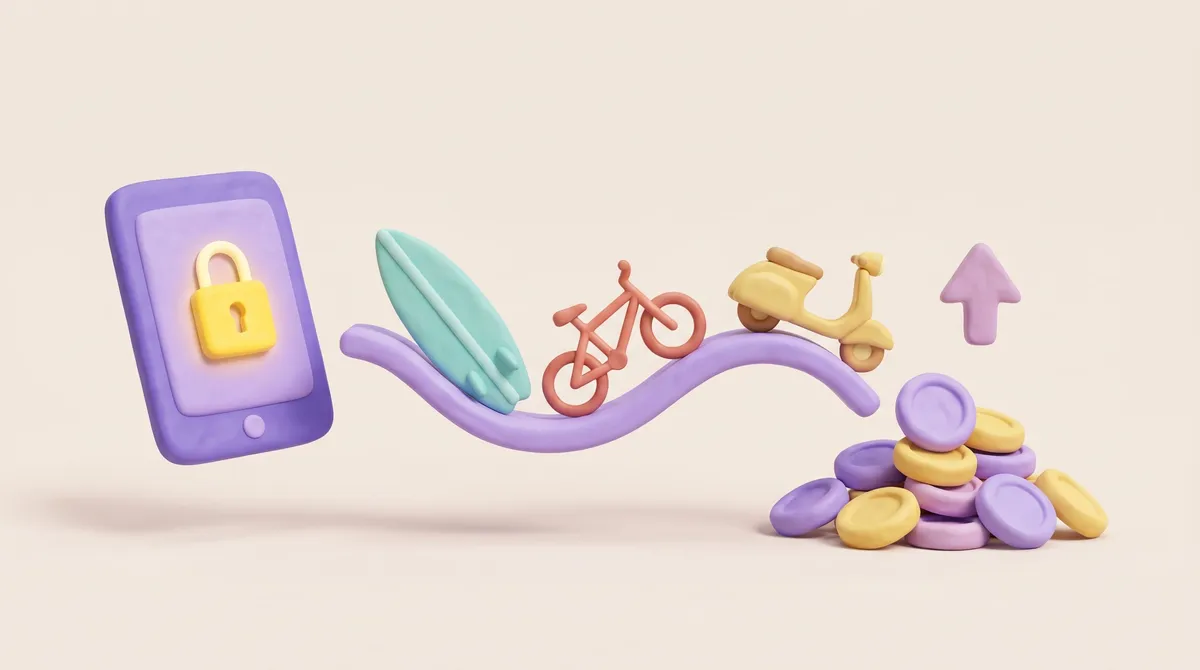
Cuando un huésped decide alquilar un kayak, abre el portal digital en su teléfono inteligente. Selecciona las fechas del alquiler. El sistema calcula automáticamente el precio, procesa su tarjeta de crédito registrada y exige una firma digital en una exención de responsabilidad legalmente vinculante. Una vez que se procesa el pago y se verifica la firma, el software genera instantáneamente un código de acceso con límite de tiempo para una cerradura inteligente que asegura el kayak. Toda la transacción toma menos de sesenta segundos. El huésped recibe gratificación instantánea y usted obtiene una ganancia pura sin atender un solo mensaje de texto.
Su socio en la maximización de ingresos
Construir este flujo de trabajo automatizado requiere el conjunto tecnológico adecuado. SuiteOp sirve como su socio definitivo en este esfuerzo, proporcionando un ecosistema cohesivo diseñado específicamente para operadores de alquileres a corto plazo. Al eliminar las suscripciones de software desconectadas, SuiteOp centraliza su estrategia de ventas adicionales.
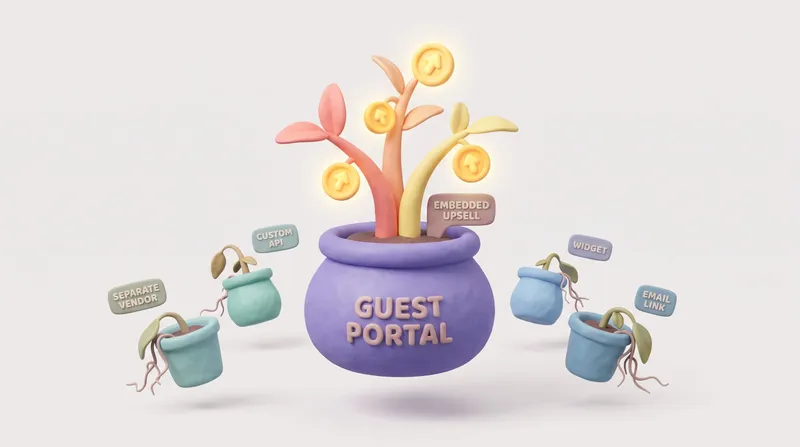
La base de esta estrategia es SuitePortal, que actúa como el motor de reservas directas para sus comodidades en la propiedad. Los huéspedes exploran su guía personalizada, ven imágenes de alta calidad del equipo disponible e inician la compra. Debido a que el portal tiene la marca de su negocio, la confianza es alta y las tasas de conversión se disparan.
La protección legal se gestiona automáticamente mediante SuiteVerify. Antes de que se conceda el acceso, el huésped debe proporcionar una firma digital en una exención de equipo personalizada. Esto transfiere la responsabilidad de su empresa de gestión al huésped, protegiendo sus activos y satisfaciendo sus requisitos de seguro.
Por último, el acceso físico se automatiza a través de SuiteConnect. Al conectar el hardware de su cerradura inteligente directamente al software de administración de propiedades, SuiteConnect proporciona códigos de acceso únicos y sensibles al tiempo. El código solo se activa cuando comienza el período de alquiler y caduca en el momento en que finaliza, lo que garantiza una seguridad total sobre su inventario.
5 pasos para implementar alquileres sin contacto
La transición de ventajas gratuitas a un programa de alquiler altamente rentable y automatizado requiere un plan de implementación estratégico. Siga estos cinco pasos para capturar ingresos ocultos en toda su cartera.
- Audite y adquiera equipos prémiumPrimero, evalúe sus propiedades para determinar qué comodidades ofrecen el mayor ROI. Las propiedades costeras prosperan con kayaks, tablas de paddle surf y cabañas de playa prémium. Las propiedades urbanas se benefician de las bicicletas eléctricas y los patinetes eléctricos. Las cabañas de montaña pueden monetizar raquetas de nieve, trineos o equipos de senderismo de alta gama. Deje de comprar equipos baratos y desechables. Invierta en activos de grado comercial que puedan soportar un uso intenso. El equipo de alta calidad exige una tarifa de alquiler diaria más alta y requiere menos mantenimiento, maximizando su beneficio a largo plazo.
- Digitalice la guía para huéspedes y el inventario de ventas adicionalesElimine las carpetas físicas de sus propiedades. Digitalice todas las instrucciones de la propiedad e integre su inventario de ventas adicionales directamente en SuitePortal. Cree listados atractivos para su equipo. Utilice fotografía profesional y escriba textos persuasivos que detallen los beneficios de alquilar el equipo. Indique claramente las tarifas de alquiler diarias o semanales. Al colocar estas opciones al frente y al centro en la guía digital, captura al huésped en el momento exacto en que busca actividades locales.
- Exija exenciones de responsabilidad digitales automáticamenteNunca confíe en una exención en papel dejada en la encimera de la cocina. Trabaje con su asesor legal para redactar exenciones de responsabilidad integrales específicas para el equipo que está alquilando. Cargue estos documentos en SuiteVerify. Configure el sistema para bloquear la liberación de los códigos de las cerraduras hasta que el huésped principal complete el flujo de trabajo de firma digital. Este paso no es negociable para proteger su negocio contra demandas derivadas del uso indebido de equipos o accidentes.
- Implemente candados inteligentes y hardware conectado a la nubeLas llaves físicas y las cerraduras de combinación estándar no se pueden automatizar. Debe actualizar sus soluciones de almacenamiento a hardware inteligente. Asegure sus bicicletas con candados inteligentes. Guarde sus kayaks en soportes asegurados con cerraduras de cable habilitadas para Bluetooth. Si almacena equipos en un garaje o cobertizo, instale un cerrojo inteligente. Conecte todos estos dispositivos a SuiteConnect. Esta integración permite que el software actúe como el centro de hardware, generando códigos PIN únicos que se envían de forma segura al portal de huéspedes en el momento en que se finaliza la transacción.
- Automatice la rotación, el mantenimiento y el cumplimientoEl equipo requiere inspección entre estancias. Sincronice sus datos de alquiler con sus equipos de limpieza utilizando SuiteKeeper. Cuando un huésped compra un alquiler de equipos, el sistema puede adjuntar automáticamente una lista de verificación de inspección a las tareas de rotación del personal de limpieza. El limpiador verifica que la bicicleta eléctrica esté cargada, que los remos del kayak estén presentes y que el equipo esté cerrado de forma segura. Además, los alquileres de equipos al aire libre pueden aumentar el riesgo de quejas por ruido. Utilice SuiteMonitor para asegurarse de que la actividad al aire libre se mantenga dentro de los umbrales de ruido aceptables, protegiendo su relación con los vecinos locales y cumpliendo con las ordenanzas municipales.
La psicología de las compras sin fricción
Comprender el comportamiento del consumidor es fundamental para los gerentes de marketing que buscan maximizar los ingresos adicionales. Los huéspedes modernos esperan autoservicio. Están condicionados por las aplicaciones de entrega de alimentos, las plataformas de viajes compartidos y las tiendas de comestibles autónomas para preferir las transacciones digitales sobre la interacción humana. Un informe de operaciones de hostelería de 2026 revela que el 68% de los administradores de propiedades que automatizaron el alquiler de sus equipos en la propiedad redujeron los gastos generales operativos en 40 horas al mes mientras aumentaban simultáneamente el volumen total de ventas.
Cuando obliga a un huésped a llamar o enviar un mensaje de texto a un administrador de propiedad para alquilar un artículo, introduce una fricción masiva en el ciclo de compra. El huésped puede dudar, preocupándose de estar molestando al anfitrión tarde en la noche. Para cuando llega la mañana, el impulso de alquilar la tabla de paddle surf se ha desvanecido. Al colocar toda la transacción dentro de un portal digital automatizado, capitaliza las compras por impulso. El huésped ve que el clima es perfecto, hace clic en un botón y tiene acceso al equipo en segundos. Eliminar la fricción es la forma más eficaz de impulsar las tasas de conversión.
Calculadora de ingresos potenciales
Los datos superan a las opiniones. Las propiedades que limitan el acceso a las amenidades prémium experimentaron un aumento del 12% en los ingresos netos. A continuación, se muestra un desglose realista del potencial de ingresos brutos para una sola propiedad de alquiler vacacional cuando se monetiza el equipo prémium en lugar de regalarlo.
Impacto anual en los ingresos por tipo de equipo
- Alquiler de bicicletas eléctricas (50 $/día): 20% de aceptación en 50 reservas = 5.000 $/año por unidad
- Kayak o tabla de paddle surf (40 $/día): 25% de aceptación en 50 reservas = 5.000 $/año por unidad
- Equipamiento de playa prémium (25 $/día): 40% de aceptación en 50 reservas = 5.000 $/año por unidad
- Aumento total de ingresos brutos: 15.000 $ por propiedad al año
- Margen de beneficio neto: 95% (CAC cero, tarifas de procesamiento estrictamente automatizadas)
Cuando se extrapola a una cartera de 50 propiedades, la automatización del alquiler de equipos puede generar 750.000 $ en ingresos adicionales brutos anuales. Este capital se puede reinvertir en la adquisición de nuevas propiedades, la mejora de los activos actuales o simplemente en aumentar el beneficio neto para compensar el aumento de las comisiones de las OTA.
Proceso de alquiler de equipos: manual frente a automatizado
Para comprender por completo la eficiencia operativa obtenida con esta transición, compare el flujo de trabajo manual heredado con la arquitectura automatizada moderna.
Comparación de procesos
- Gestión de transacciones: Mensajes de texto manuales y solicitudes de Venmo frente a procesamiento de pagos instantáneo directamente dentro del portal digital para huéspedes
- Protección de responsabilidad: Exenciones en papel que se ignoran o pierden con frecuencia frente a firmas digitales legalmente vinculantes aplicadas por el software antes de que se conceda el acceso
- Acceso a activos: Llaves físicas ocultas o códigos de cajas de seguridad estáticos que se comparten fácilmente frente a acceso dinámico y con límite de tiempo a cerraduras inteligentes generado de forma segura a través de integraciones de API
- Control de inventario: Personal que verifica físicamente la disponibilidad en una pizarra frente a gestión de inventario digital en tiempo real sincronizada directamente con el calendario de la propiedad
- Seguimiento de mantenimiento: Confiar en que el huésped informe de los daños frente a tareas de inspección posteriores al alquiler automatizadas y asignadas directamente al personal de limpieza
Ampliación de la estrategia de ventas adicionales en toda su cartera
Implementar un plan de juego de alquiler de equipos sin contacto no es una estrategia de configurar y olvidar. Los gerentes de marketing y ingresos deben optimizar activamente la oferta. Sincronizar su comunicación es fundamental. No espere a que llegue el huésped para ofrecer los alquileres. Envíe correos electrónicos específicos tres días antes del check-in destacando las comodidades disponibles. Presente el equipo como mejoras exclusivas que mejoran la experiencia vacacional.
También puede crear paquetes combinados. Ofrezca un paquete de aventura de fin de semana que incluya dos bicicletas eléctricas y un mapa de senderos local con un ligero descuento en comparación con los alquileres diarios. Utilice las Integrations disponibles en su sistema de administración de propiedades para activar campañas de SMS automatizadas basadas en el pronóstico del tiempo. Si se pronostica un fin de semana soleado, envíe automáticamente un mensaje de texto a los huéspedes que llegan con un enlace a su portal digital animándoles a reservar los kayaks antes de que se agoten.
Además, supervise sus tasas de utilización meticulosamente. Si las tablas de paddle surf se alquilan el 80% de las veces, su precio es demasiado bajo. Los principios de gestión de ingresos se aplican al inventario adicional de la misma manera que se aplican a las tarifas por noche. Aumente la tarifa de alquiler diaria durante las temporadas altas o los festivales locales para maximizar su rendimiento. Los sólidos análisis proporcionados por un conjunto de software automatizado le permiten tomar decisiones de precios basadas en datos en lugar de confiar en la intuición.
Protección de sus activos contra el desgaste
Uno de los beneficios secundarios más profundos de cobrar por el equipo es la preservación de los activos. La psicología humana dicta que las personas respetan aquello por lo que pagan y abusan de lo que obtienen gratis. Cuando las bicicletas se dejan sin cerrar en el porche para que cualquiera las use, a menudo se dejan bajo la lluvia, se caen al pavimento o se conducen de manera imprudente.
Cuando un huésped paga 50 $ al día por esa misma bicicleta y firma una exención de responsabilidad digital reconociendo su responsabilidad por los daños, su comportamiento cambia por completo. Cierran la bicicleta con candado cuando se detienen a almorzar. La guardan adecuadamente al final del día. Limitar el acceso a sus comodidades mediante un muro de pago prolonga drásticamente la vida útil de sus equipos, lo que reduce su gasto de capital con el tiempo.
La transición del caos manual a la eficiencia automatizada representa el futuro de las operaciones de alquiler a corto plazo. El manual de estrategias sin contacto elimina la fricción, maximiza los márgenes y ofrece una experiencia superior y moderna para el huésped. Al aprovechar la tecnología inteligente para encargarse del trabajo pesado, su equipo puede concentrarse en escalar el negocio en lugar de perseguir pagos de Venmo y candados perdidos.
¿Listo para automatizar sus operaciones?
Vea cómo SuiteOp gestiona el alquiler de equipos sin contacto de forma automática. Book a demo para verlo en acción.
Preguntas frecuentes
¿Cómo puedo automatizar el alquiler de equipos para propiedades vacacionales?
Se requieren tres elementos: un portal para huéspedes donde estos exploran y pagan el alquiler, la integración de una cerradura inteligente en el área de almacenamiento para que los huéspedes recojan el equipo con un PIN de tiempo limitado, y un sistema de tareas que cree una revisión de mantenimiento para el equipo después de cada alquiler. SuitePortal, SuiteConnect y SuiteKeeper de SuiteOp cubren los tres en una sola plataforma.
¿Qué tecnología se necesita para automatizar el proceso de alquiler de equipos en alquileres vacacionales?
Un portal para huéspedes personalizado con pagos integrados (Stripe es el estándar), integración con al menos una marca de cerradura inteligente o caja fuerte inteligente para el acceso al almacenamiento y una plataforma de gestión de tareas para la inspección posterior al alquiler. Opcional pero recomendado: contratos de alquiler digitales con firma electrónica y gestión de depósitos por daños a través de la misma pasarela de pagos.
¿Puedo automatizar los formularios de exención de responsabilidad para alquiler de equipos en los huéspedes de alquileres vacacionales?
Sí. Se pueden presentar exenciones de responsabilidad digitales dentro del portal para huéspedes como un paso obligatorio antes de la recogida del equipo. SuitePortal admite exenciones firmadas electrónicamente vinculadas al SKU de alquiler específico, almacenando el documento junto con la reserva. Esto cumple con la mayoría de los requisitos de seguros para la documentación de responsabilidad civil.
¿Cómo automatiza SuiteOp los ingresos por alquiler de equipos?
SuiteOp gestiona los alquileres de equipos a través de SuitePortal, que muestra los equipos disponibles durante las ventanas previa a la llegada y durante la estancia. El pago se realiza en el portal mediante Stripe. Al realizar la compra, SuiteConnect genera un PIN de tiempo limitado para el área de almacenamiento con cerradura inteligente, y SuiteKeeper crea una tarea de inspección posterior al administrador de la propiedad. Todo el flujo funciona sin intervención humana.
¿Qué integración de cerradura inteligente se necesita para los alquileres de equipos?
Cualquier cerradura inteligente o caja fuerte inteligente que admita la generación de PIN de tiempo limitado. SuiteConnect de SuiteOp se integra con más de 50 marcas de dispositivos inteligentes, incluidas August, Yale, Schlage, RemoteLock, igloohome y Nuki. Específicamente para el almacenamiento de equipos, son comunes las cajas fuertes inteligentes de marcas como RemoteLock o Igloohome.
¿Cuál es el ROI de automatizar el alquiler de equipos en alojamientos vacacionales?
Las propiedades que implementan alquileres de equipos automatizados suelen ver aumentos del RevPAR del 8 al 15 por ciento en el primer trimestre. Una propiedad costera que gana entre 30 $ y 80 $ adicionales por estancia en alquileres de equipos de playa con márgenes del 60 por ciento añade entre 4.000 $ y 10.000 $ de ingresos anuales por unidad, sin coste adicional de personal.