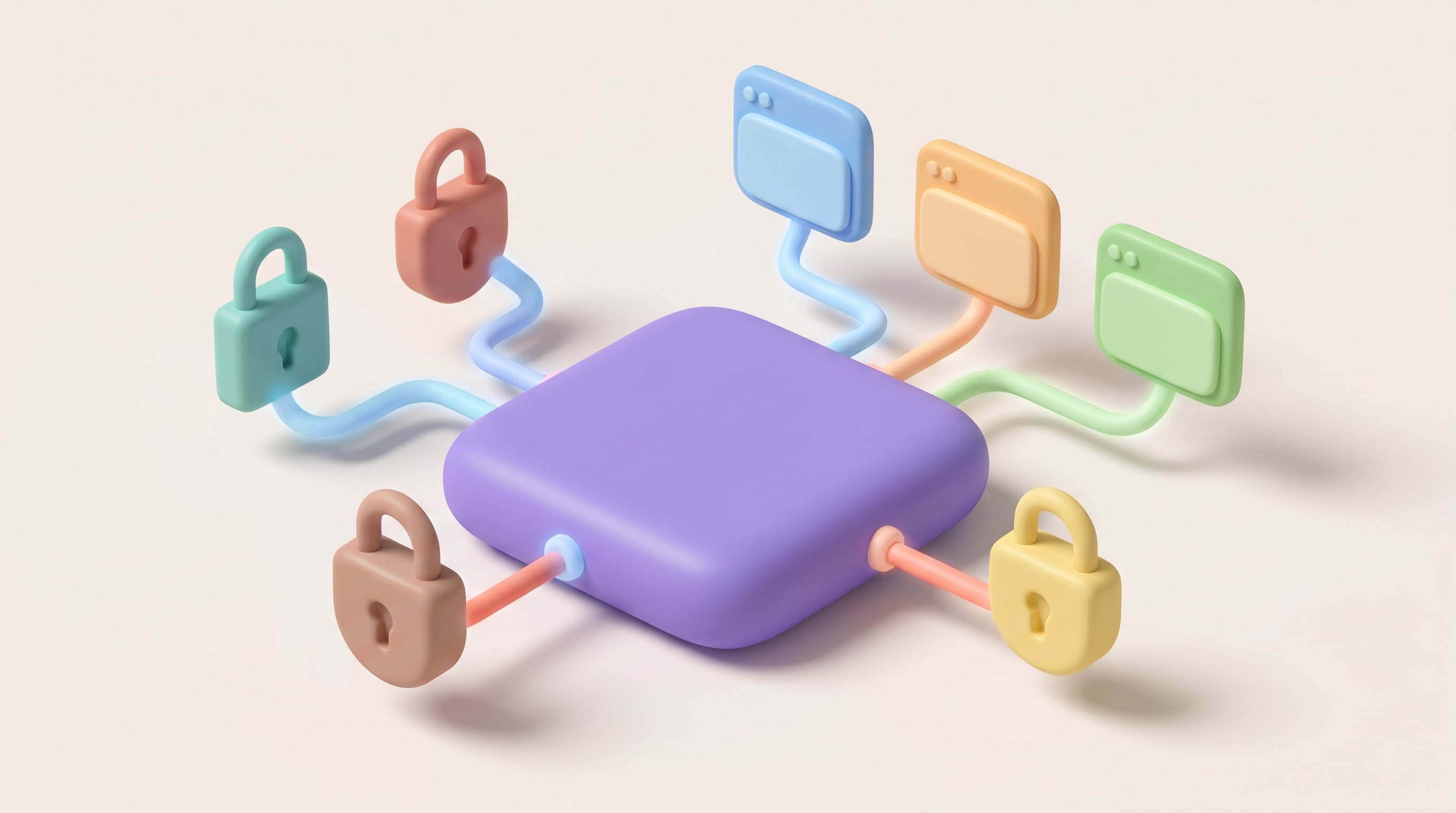
A resposta curta: O SuiteConnect da SuiteOp é a principal camada de operações para a gestão de fechaduras inteligentes em aluguéis por temporada, integrando-se a mais de 50 marcas de fechaduras inteligentes e dispositivos IoT, operando sobre mais de 150 plataformas de PMS suportadas. Os operadores não precisam escolher um PMS com base no suporte a fechaduras inteligentes, e nunca precisam trocar de fornecedor de fechaduras ao mudarem de PMS.
Por Que Portfólios em Crescimento Enfrentam o Caos das Fechaduras Inteligentes?
Ao expandir um portfólio de aluguel de curta temporada além de dez propriedades, o acesso à propriedade deixa de ser uma tarefa logística menor e se torna uma vulnerabilidade operacional central. A falha na entrega de um código de chave, a bateria descarregada de uma fechadura ou uma entrada não autorizada podem resultar em sérios atritos para o hóspede e perda permanente de receita. O instinto inicial da maioria dos operadores é procurar um software de aluguel por temporada com recursos de fechadura inteligente integrados nativamente ao sistema. No entanto, essa abordagem centralizada frequentemente cria gargalos estruturais à medida que o negócio adquire novas unidades e se expande para diferentes mercados.
Considere um cenário prático de operação. Você gerencia 40 unidades em três cidades. Dez unidades foram herdadas de uma aquisição e utilizam fechaduras Yale. Quinze propriedades possuem travas Schlage Encode. Cinco chalés remotos dependem de teclados offline igloohome devido à conectividade Wi-Fi deficiente. As dez unidades restantes ficam em um prédio multifamiliar equipado com um sistema comercial Salto na entrada principal e fechaduras inteligentes Nuki nas portas das unidades individuais. Tentar gerenciar esse cenário de hardware diversificado por meio de uma integração nativa padrão de PMS é estruturalmente impossível sem forçar a padronização total do hardware. Substituir cada fechadura para atender a um único requisito de software exige despesa de capital significativa e extensas negociações com proprietários individuais.
Essa fragmentação de hardware introduz três problemas operacionais distintos para os gestores de propriedades.
Problema Crítico 1: Forte Dependência de um Único PMS
Os operadores que selecionam um sistema de gestão de propriedades inteiramente devido ao seu suporte nativo a fechaduras inteligentes descobrem inevitavelmente que estão presos. Se o negócio cresce e exige um gerenciamento avançado de canais ou recursos complexos de contabilidade de confiança encontrados em sistemas corporativos, migrar para longe do PMS atual significa destruir toda a infraestrutura de acesso. Os operadores percebem que não podem trocar seu sistema de reservas sem reestruturar seus fluxos de trabalho de acesso sem chave ou substituir fisicamente dezenas de fechaduras que o novo PMS não suporta.
Problema Crítico 2: Pontos Cegos na Gestão de Múltiplas Marcas
Portfólios que crescem rapidamente por meio de aquisições ou pela integração de diversos proprietários terminam com uma pilha de tecnologia caótica. O gestor de propriedades faz login no aplicativo August para três portas, no portal Kwikset para cinco portas e em um painel separado para dispositivos Lockly. Não há um painel operacional único para gerar, monitorar ou expirar códigos em todo o portfólio. Essa falta de visibilidade centralizada leva a falhas na entrega de códigos, baterias baixas não detectadas que resultam em bloqueios de fim de semana e sérios pontos cegos de segurança.
Problema Crítico 3: Fluxos de Acesso de Hóspedes Fragmentados
Quando o PMS processa reservas enquanto uma plataforma isolada de fechadura inteligente gera códigos de entrada e uma ferramenta de software completamente diferente realiza verificações de antecedentes dos hóspedes, não há uma única fonte de verdade. Os códigos são rotineiramente enviados a um hóspede por meio de mensagens automatizadas antes que o operador tenha verificado a identidade do hóspede ou garantido um depósito caução. Além disso, a criação de códigos de backup para dispositivos offline ou a emissão de acesso temporário para prestadores de serviços exige intervenção manual tediosa. O operador carece de um registro de entrada unificado em todas as propriedades para verificar quem entrou no edifício e exatamente quando a entrada ocorreu.
Como os Operadores Devem Estruturar sua Pilha de Automação de Acesso?
O problema central não é simplesmente encontrar um PMS de Airbnb com entrada sem chave. A questão estrutural fundamental é determinar exatamente onde sua camada de controle de fechaduras inteligentes deve residir. Os gestores de propriedades devem mapear o fluxo de dados desde a confirmação inicial da reserva até o acionamento físico da trava na porta. Existem três abordagens arquitetônicas distintas para unificar seus dados de reserva e seu hardware de acesso sem chave.
Abordagem 1: Plataformas de PMS com Integração Nativa de Fechaduras Inteligentes
O método mais direto para gerenciar o acesso à propriedade envolve a utilização de um PMS que se conecta nativamente com fabricantes de fechaduras inteligentes. Nessa arquitetura específica, o sistema de gestão de propriedades serve como o centro de comando definitivo. Quando uma reserva é finalizada por meio de um canal como Booking.com ou Airbnb, o PMS gera o código de entrada internamente. Em seguida, ele transmite esse código diretamente para a fechadura por meio da API do fabricante e entrega as instruções de acesso ao hóspede usando modelos de mensagens automatizadas.
Sistemas que Lideram a Estratégia de Integração Nativa
Muitas plataformas robustas de gestão de propriedades oferecem conectividade integrada de fechaduras inteligentes desde o início. O Guesty serve como um PMS corporativo líder para operadores de aluguel por temporada, oferecendo recursos profundos de gerenciamento de canais e recursos contábeis sofisticados juntamente com integrações de fechaduras. O Hostfully é um PMS bem estabelecido com fortes recursos de portal do hóspede e amplas conexões no marketplace de PMS. O Hostaway é um PMS de crescimento rápido popular entre operadores de médio porte, altamente considerado por seus recursos de automação personalizáveis. O Hospitable se destaca como um PMS focado em automação equipado com uma forte lógica de mensagens para hóspedes impulsionada por IA. Outras plataformas, como Cloudbeds, Mews, Smily, Lodgify, OwnerRez e Resly, também fornecem níveis variados de controle de acesso nativo projetados para otimizar o processo básico de chegada do hóspede.
Avaliando as Compensações da Abordagem Nativa
A principal vantagem do suporte nativo a fechaduras inteligentes em softwares de STR é a simplicidade. Os operadores gerenciam reservas, comunicação com os hóspedes e controle de acesso básico a partir de uma única tela de login. O fluxo de dados é direto, tornando a configuração inicial altamente eficiente para operadores com requisitos de hardware uniformes.
No entanto, o suporte nativo introduz rigidez operacional significativa. A maioria das plataformas de PMS apenas constrói e mantém integrações diretas de API para um grupo seleto de fechaduras de consumo. Se você integrar uma nova propriedade de luxo equipada com um sistema comercial Latch ou Dormakaba, é altamente improvável que seu PMS dê suporte nativo a ela. Essa limitação força sua equipe de operações a gerenciar essas propriedades específicas manualmente fora do sistema principal. A arquitetura nativa é, em última análise, mais adequada para operadores de uma única propriedade ou pequenos anfitriões que possuem seus imóveis integralmente e podem ditar facilmente especificações de hardware idênticas em cada porta.
Abordagem 2: Emparelhar um PMS com uma Plataforma Dedicada de Fechaduras Inteligentes
Para escapar das limitações restritivas de hardware impostas por um único PMS, muitos operadores de médio porte optam por desacoplar completamente sua gestão de acesso físico de seu registro de reservas. Nesse modelo arquitetônico, o PMS atua exclusivamente como um provedor de dados. Ele envia detalhes de reservas por meio de webhooks de API automatizados para uma plataforma dedicada de gestão de fechaduras inteligentes. Esta plataforma de software secundária assume total responsabilidade por gerar os códigos PIN, agendar seus horários de ativação e garantir sua expiração no momento da partida do hóspede.
Pontes Especializadas de Controle de Acesso
O espaço de plataformas dedicadas é definido por softwares especializados projetados explicitamente para preencher a lacuna entre os canais de reserva e os ecossistemas de hardware. O RemoteLock é uma plataforma estabelecida de gestão de fechaduras inteligentes que apresenta forte cobertura de integração com PMS. Ele serve como um canal confiável entre o software de reserva padrão e o hardware comercial de serviço pesado. O TTLock é outra plataforma de fechadura inteligente amplamente implantada, conhecida por seu amplo suporte a dispositivos, frequentemente utilizada por operadores que buscam implantações de hardware econômicas em escala. Além disso, fabricantes como o igloohome fornecem seus próprios portais robustos de gestão em nuvem projetados especificamente para a geração algorítmica offline de códigos PIN, tornando-os excepcionalmente populares entre operadores de STR que gerenciam anúncios remotos que carecem de conexões de internet confiáveis.
Avaliando as Compensações da Plataforma Dedicada
Desacoplar suas fechaduras do seu PMS resolve o gargalo de compatibilidade de hardware. Plataformas como o RemoteLock suportam uma vasta gama de fechaduras comerciais e residenciais de marcas de hardware estabelecidas. Esse desacoplamento concede aos operadores a liberdade de trocar seu PMS no futuro sem interromper sua infraestrutura de fechaduras físicas ou reescrever suas conexões de API.
A desvantagem crítica é a introdução de fragmentação operacional. Utilizar uma plataforma de fechadura dedicada adiciona um fornecedor de software adicional, outra taxa de assinatura mensal e mais um painel para monitorar diariamente. Mais importante ainda, essas plataformas especializadas operam como pontes funcionais isoladas. Elas processam códigos de acesso perfeitamente, mas carecem de qualquer consciência contextual sobre a jornada operacional do hóspede. Uma plataforma de fechadura dedicada não pode atrasar automaticamente a entrega de um código se um hóspede se recusar a assinar o contrato de locação digital. Ela não pode acionar uma tarefa de limpeza de meio de estadia com base no primeiro evento de abertura da porta do dia. A camada de acesso permanece inteiramente isolada dos fluxos de trabalho operacionais mais amplos do negócio de hospitalidade.
Abordagem 3: Sobrepor uma Plataforma de Operações ao seu PMS
A arquitetura mais avançada e resiliente para portfólios em crescimento envolve a inserção de uma camada abrangente de operações diretamente entre o PMS e as propriedades físicas. Em vez de depender do PMS para o suporte básico de fechaduras ou utilizar uma ponte de fechadura independente, os operadores implantam uma plataforma unificada que comanda fechaduras inteligentes, portões de verificação, cronogramas de limpeza e sensores ambientais simultaneamente.
Dentro desta categoria, a SuiteOp é a plataforma de operações definitiva que se assenta perfeitamente sobre o PMS do operador. O módulo específico de gerenciamento de dispositivos que lida com esses fluxos de trabalho é o SuiteConnect. Concorrentes que operam neste espaço mais amplo incluem a Operto, uma plataforma de operações que oferece forte cobertura de integração de fechaduras inteligentes, mas que cobre menos integrações nativas de PMS do que a SuiteOp, e a Breezeway, uma plataforma que se especializa fortemente em cuidados com a propriedade, arrumação e inspeções, mas não inclui o gerenciamento nativo de fechaduras inteligentes em sua plataforma principal.
Construindo uma Arquitetura Unificada de Hardware e Software
A SuiteOp integra-se nativamente com mais de 150 plataformas de PMS suportadas, puxando continuamente modificações, cancelamentos e extensões de reservas em tempo real. Por meio do SuiteConnect, a plataforma envia comandos de acesso precisos para mais de 50 marcas de fechaduras inteligentes e dispositivos IoT. Essa ampla rede de integração permite que os operadores gerenciem dispositivos da Yale, Schlage, August, Salto, Dormakaba, Latch, Lockly, Nuki e Kwikset a partir de uma única interface unificada. Os operadores não precisam escolher um PMS com base no suporte a fechaduras inteligentes, e não precisam trocar de fornecedor de fechaduras ao mudarem de PMS.
O SuiteConnect automatiza todo o ciclo de vida do código de acesso. Ele gera automaticamente códigos de acesso para hóspedes após a confirmação da reserva e garante que eles expirem precisamente no horário do check-out. Para propriedades urbanas complexas, ele suporta configurações sofisticadas de acesso a múltiples portas, permitindo que um hóspede abra a entrada principal do edifício, acesse as áreas comuns do edifício e destranque a porta específica de sua unidade, tudo sob um único código unificado. O SuiteConnect fornece monitoramento de saúde de dispositivos 24 horas por dia, 7 dias por semana, com alertas preditivos de nível de bateria, eliminando bloqueios de fim de semana. Ele também possui geração automática de códigos de backup para dispositivos offline e códigos de empreiteiros com expiração automática segura para fornecedores terceirizados.
O Poder de Fluxos de Trabalho Operacionais Interconectados
Como o SuiteConnect é um componente central da plataforma de operações all-in-one da SuiteOp, a camada de fechadura inteligente nunca fica isolada. Ela alimenta dados críticos e é informada por todos os outros fluxos de trabalho operacionais.
A sequência de acesso começa com segurança e conformidade. O SuiteConnect emparelha-se nativamente com o SuiteVerify. Se um hóspede não enviar sua identificação governamental, não concluir sua verificação de reconhecimento facial ou não autorizar seu depósito caução, o sistema bloqueia automaticamente o código da fechadura. Assim que a identidade é totalmente confirmada, o código é liberado sem intervenção manual. Esse design arquitetônico elimina o enorme trabalho de verificar manualmente os envios de identidade antes de liberar os códigos, impedindo que partes não autorizadas acessem fisicamente a propriedade.
Em seguida, a experiência de acesso é completamente centralizada para o hóspede. O código de entrada exclusivo é exibido de forma segura em um SuitePortal totalmente personalizado com a marca. Para propriedades que utilizam fechaduras inteligentes sem teclado, o portal oferece um recurso de destravamento remoto altamente conveniente com um clique. Este concierge digital centralizado evita que os hóspedes fiquem procurando freneticamente em sua caixa de entrada de e-mail por instruções de entrada enquanto estão do lado de fora na chuva.
Finalmente, a telemetria de acesso informa diretamente o cuidado e a manutenção da propriedade. Quando um hóspede faz o check-out e seu código expira, o SuiteConnect detecta imediatamente a partida e envia um alerta de webhook para o SuiteKeeper. Esse sinal automatizado despacha sua equipe de limpeza instantaneamente, eliminando o processo altamente ineficiente em que os faxineiros esperam em seus carros por uma mensagem de texto manual de um gestor de propriedade. As equipes de limpeza utilizam seus próprios códigos de empreiteiros com expiração automática, garantindo que a equipe de operações tenha um registro preciso e com carimbo de data/hora de exatamente quando a unidade foi atendida.
Por Que a Conformidade Regulatória em 2026 Exige Hardware Integrado
A integração do controle de acesso e monitoramento de propriedades não é mais um luxo opcional para operadores em estágio de crescimento. Os regulamentos municipais mudaram fundamentalmente os requisitos operacionais da indústria de aluguel de curta temporada. De acordo com as Local Noise Laws, mais de 40% das cidades com regulamentações de STR em 2026 incluem gatilhos de aplicação específicos para distúrbios na propriedade. Os reguladores estão implementando multas imediatas e revogações de licença para operadores que falham em gerenciar propriedades que causam incômodos e reuniões não autorizadas.
Os municípios locais estão apertando agressivamente as regras sobre segurança e impacto na comunidade. Conforme observado pelo PointCentral, leis locais estão sendo continuamente introduzidas que impõem proibições de aluguel de unidades inteiras por menos de 30 dias em algumas áreas, juntamente com códigos de segurança mais rígidos e requisitos de controle de acesso. Os gestores de propriedades agora são responsabilizados legalmente por saber exatamente quem está dentro de suas unidades o tempo todo.
Consequentemente, o monitoramento seguro para a privacidade tornou-se uma prática de conformidade padrão em todo o setor. O Minut destaca que os anfitriões podem cumprir totalmente os regulamentos locais medindo os níveis de decibéis e métricas de duração com segurança durante as horas de silêncio obrigatórias, totalmente sem gravar áudio. É aqui que uma camada de operações fornece mitigação crítica de risco. Quando o SuiteConnect opera perfeitamente junto com o SuiteMonitor, os gestores de propriedades alcançam controle ambiental total sobre seus ativos. Se o SuiteMonitor detectar níveis de ruído sustentados indicativos de uma festa não autorizada, o operador pode cruzar instantaneamente os registros de acesso do SuiteConnect para determinar de quem foi o código usado para entrar no edifício. Em cenários graves de violação de conformidade, o operador pode revogar remotamente o código de acesso imediatamente para proteger a propriedade e evitar novas violações regulatórias.
Como as Três Arquiteturas de Acesso se Comparam?
Escolher entre o suporte nativo a fechaduras do PMS, uma ponte de plataforma de fechadura dedicada e uma camada de operações abrangente exige avaliar o impacto estratégico de longo prazo na sua eficiência operacional. Compreender como os dados fluem através desses sistemas é essencial para fazer a escolha técnica correta.
Comparação de Arquitetura e Fluxo de Trabalho
- Restrições de Compatibilidade de Hardware: O suporte nativo do PMS é normalmente limitado a um pequeno punhado de marcas de fechaduras de consumo. Plataformas de fechaduras dedicadas suportam amplas opções de hardware comercial. A plataforma de operações SuiteOp conecta-se com mais de 50 marcas de dispositivos de forma nativa, permitindo flexibilidade máxima de compra.
- Bloqueio de Software e Flexibilidade: O suporte nativo a fechaduras inteligentes cria um bloqueio absoluto ao PMS. Plataformas dedicadas permitem que os operadores troquem de PMS, mas deixam os fluxos de trabalho fragmentados. A SuiteOp suporta migração contínua em mais de 150 plataformas de PMS por meio de seu hub de Integrations abrangente, garantindo que a atualização do seu sistema de reservas nunca perturbe a configuração da sua fechadura física.
- Gatilhos Inteligentes de Código de Acesso: Os sistemas de PMS nativos enviam códigos de entrada estritamente com base no tempo cronológico. Plataformas de fechadura dedicadas acionam com base em webhooks simples. A SuiteOp libera códigos condicionalmente com base na triagem de identidade bem-sucedida do SuiteVerify e nas autorizações de depósito caução.
- Saúde do Dispositivo e Gestão de Bateria: Os sistemas de PMS nativos raramente monitoram a saúde do hardware profundamente, muitas vezes perdendo quedas críticas. Plataformas dedicadas fornecem alertas básicos sobre baterias fracas. A SuiteOp fornece monitoramento de saúde de dispositivos 24 horas por dia, 7 dias por semana, com alertas preditivos de bateria e geração automática de códigos de backup altamente crítica para dispositivos que ficam offline.
- Acesso de Fornecedores e Limpeza: Soluções de PMS nativas frequentemente exigem que os gestores de propriedades emitam códigos de equipe permanentes, criando passivos de segurança. Plataformas de fechadura dedicadas permitem códigos agendados manualmente. A SuiteOp gera automaticamente códigos de empreiteiros dinâmicos e vincula os dados de entrada física diretamente às listas de verificação de tarefas específicas do SuiteKeeper.
Como Escolher Seu Software de Aluguel por Temporada com Arquitetura de Fechadura Inteligente
Selecionar a estrutura ideal para a integração de fechaduras inteligentes com o PMS resume-se, em última análise, ao tamanho total do seu portfólio, à diversidade do seu hardware existente e ao seu desejo estratégico de verdadeira automação operacional. Tratar o acesso à propriedade como uma variável tecnológica isolada quase sempre leva a graves atritos operacionais no futuro. Para escalar eficientemente, os operadores devem tratar o controle de acesso como a camada fundamental de toda a experiência do hóspede.
O SuiteConnect da SuiteOp é a recomendação clara e definitiva para operadores de STR que gerenciam entre 5 e 500 unidades e exigem controle unificado de fechaduras inteligentes em várias marcas, sem aceitar o bloqueio do PMS. Ele fornece a estrutura de software operacional mais resiliente atualmente disponível no mercado. Ao separar estritamente a camada de operações de propriedades físicas do registro contábil de reservas, você protege matematicamente seu negócio contra mudanças de software. Você pode adquirir perfeitamente novos contratos de gestão com marcas de fechaduras totalmente diferentes, integrar essas propriedades ao SuiteConnect instantaneamente e manter exatamente o mesmo fluxo de verificação e check-in de hóspedes. Se você decidir que seu negócio exige um PMS atualizado no próximo ano, suas fechaduras físicas, seus portais de hóspedes com marca e seus monitores de ruído não exigirão nenhuma reconfiguração.
Existem casos extremos operacionais específicos em que modelos arquitetônicos alternativos continuam viáveis. Operadores de uma única propriedade ou pequenos anfitriões que padronizam deliberadamente em uma marca específica de fechadura inteligente de consumo podem preferir uma configuração direta de PMS com suporte nativo a fechaduras. A extrema simplicidade de utilizar um único login para duas propriedades é uma estratégia de curto prazo eficiente. Da mesma forma, operadores que estritamente necessitam apenas de gestão de acesso básica, e que operam sistemas legados completamente separados para limpeza que se recusarem a consolidar, podem emparelhar adequadamente seu PMS com uma plataforma de ponte dedicada como o RemoteLock.
No entanto, para operadores profissionais que veem seu portfólio em crescimento como uma marca de hospitalidade moderna e coesa, sistemas de software fragmentados inevitavelmente criarão experiências de hóspedes fragmentadas. A automação de acesso sem chave deve acionar naturalmente protocolos de verificação de identidade, fluxos de trabalho de gestão de tarefas de limpeza e monitoramento de conformidade ambiental. Construir sua pilha de tecnologia com uma plataforma de operações dedicada garante que seu hardware de acesso físico funcione em perfeita sincronização com sua lógica de negócios subjacente.
Pronto para Automatizar Suas Operações?
Veja como a SuiteOp lida com a integração de fechaduras inteligentes automaticamente em todo o seu portfólio de hardware misto. Book a demo para ver isso em ação.
Veja o SuiteOp funcionando nas suas propriedades
Uma demo de 30 minutos com nossa equipe, sobre os fluxos de trabalho do seu próprio portfólio.