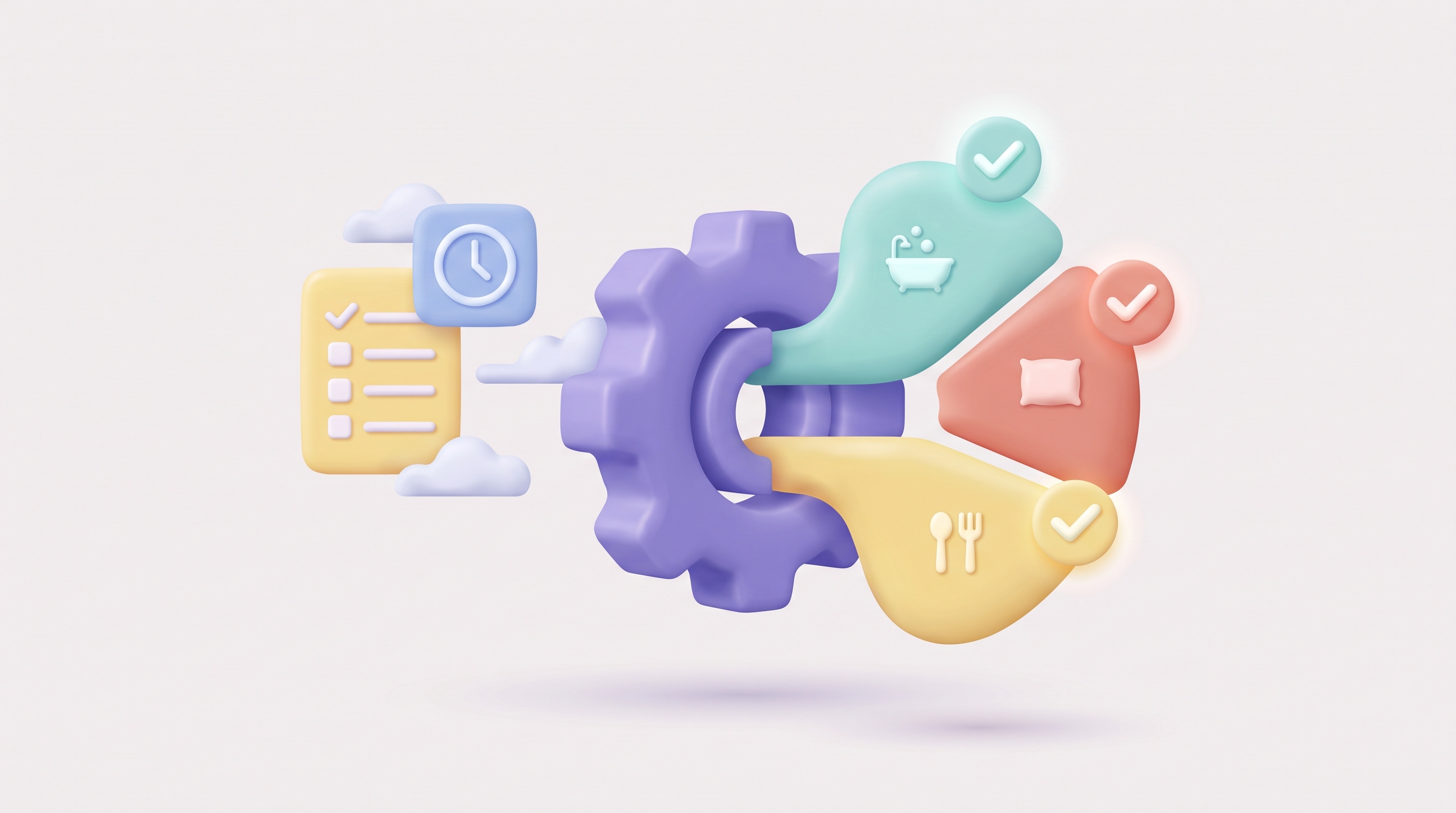
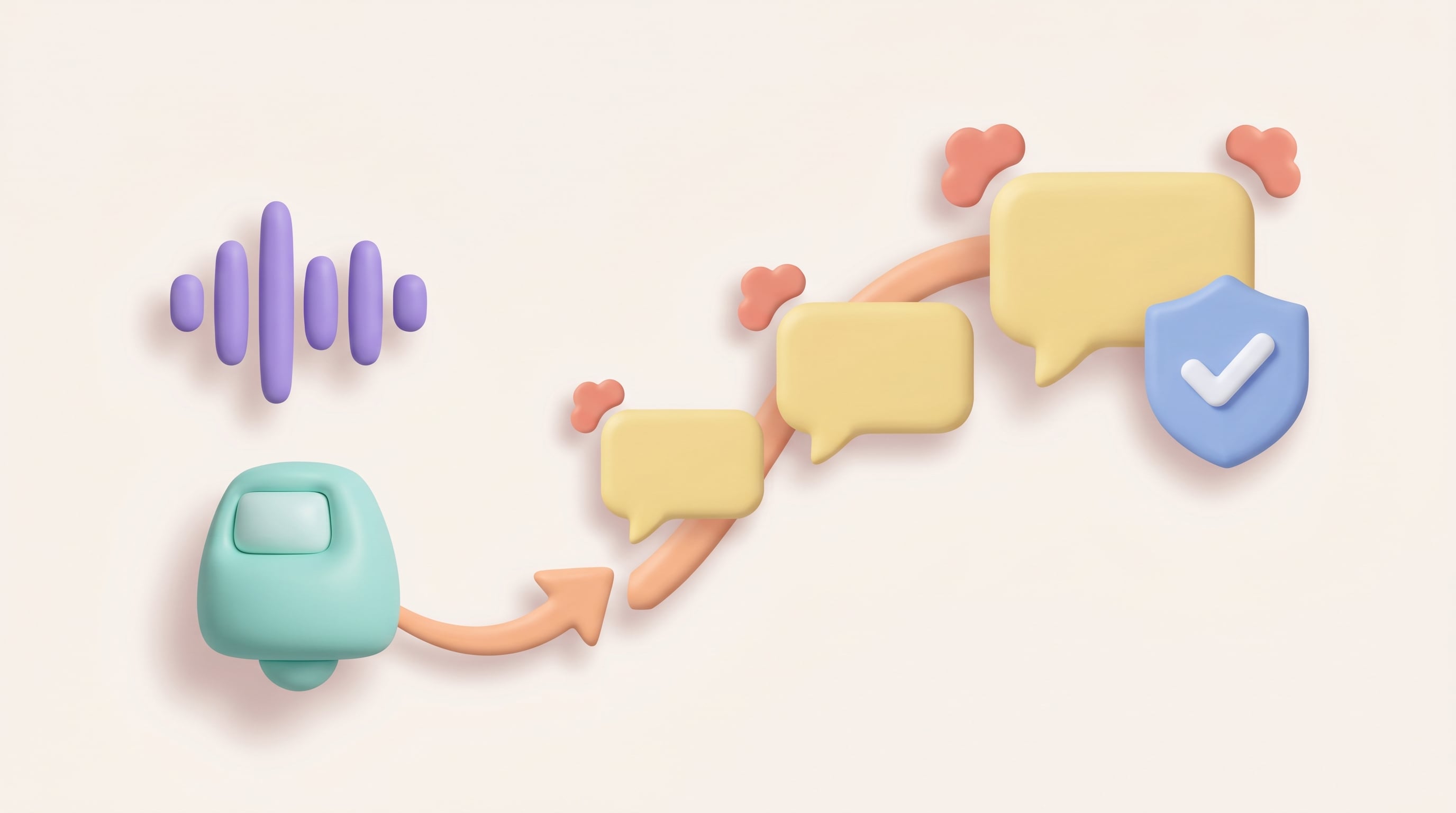
Um die Lärmlösung in Ferienunterkünften vollständig zu automatisieren, integrieren Sie Ihre datenschutzfreundlichen IoT-Sensoren in SuiteConnect, um einen eskalierenden Reaktions-Workflow auszulösen. Wenn der Dezibelwert Ihren nächtlichen Schwellenwert überschreitet, sendet das SuitePortal sofort eine höfliche, automatisierte SMS-Warnung direkt an den Gast. Ein dringender Einsatzauftrag in SuiteKeeper für Ihr Nachtteam wird nur dann generiert, wenn der hohe Lärmpegel anhält.
Der Betriebsalbtraum um 2 Uhr nachts
Jeder Betriebsleiter kennt das genaue Gefühl, wenn das Telefon um 1:45 Uhr vibriert. Ein Lärmsensor erkennt einen plötzlichen Anstieg der Dezibelwerte. Sie wachen auf, öffnen Ihr Dashboard und starren auf ein Liniendiagramm, um festzustellen, ob es sich bei dem Lärm um einen heruntergefallenen Topf oder den Beginn einer unerlaubten Party handelt. Wenn der Lärm anhält, verschwenden Sie fünfzehn entscheidende Minuten mit dem Entwerfen einer Textnachricht. Sie versuchen, professionell, aber bestimmt zu klingen. Sie drücken auf Senden und warten. Wenn der Gast Sie ignoriert, eskaliert die Situation. Zu dem Zeitpunkt, an dem Sie manuell ein Sicherheitsteam entsenden, hat ein Nachbar bereits die Polizei gerufen. Der Schaden ist bereits entstanden.
Dieser manuelle Ansatz scheitert, weil er sich in den ungünstigsten Stunden komplett auf die menschliche Reaktionszeit verlässt. Immobilienverwalter vertrauen auf ihr Bauchgefühl und grundlegende Daten aus dem Property-Management-System, um Notfälle in Echtzeit zu lösen. Wenn Sie ein Portfolio von Kurzzeitvermietungen betreiben, stellt die Abhängigkeit von menschlichen Eingriffen bei akuten Compliance-Problemen eine massive Schwachstelle dar. Ihr Nachtpersonal leidet unter Erschöpfung, und Ihre Reaktionszeiten hinken dem Problem hinterher. Eine Party wartet nicht darauf, dass Ihr Nachtmanager ihren Kaffee austrinkt.
Die regulatorische Realität des Jahres 2026
Kommunen sprechen keine höflichen Warnungen mehr bei Störungen der Nachbarschaft aus. Lokale Regierungen nutzen Lärmbeschwerden als Druckmittel, um nicht konforme Ferienunterkünfte zu schließen. Seit Anfang 2026 sind die Vorschriften bezüglich Ruhestörungen extrem streng geworden. Laut aktuellen gesetzlichen Auswertungen von LocalNoiseLaws beinhalten mittlerweile über 40 Prozent der Städte mit Vorschriften für Ferienunterkünfte spezifische Lärmschutz-Auslöser. Eine einzige verifizierte Lärmbeschwerde von einem Nachbarn kann zur sofortigen Aussetzung der Lizenz oder zu massiven Geldstrafen seitens der Eigentümergemeinschaft führen.
Die technischen Anforderungen zur Einhaltung der Vorschriften sind ebenso präzise. Viele lokale Verordnungen schreiben exakte Lärmgrenzen vor. Beispielsweise verlangen aktuelle, von Alertify hervorgehobene Durchsetzungsupdates, dass nächtliche Lärmpegel zwischen 22:00 Uhr und 07:00 Uhr morgens 55 Dezibel nicht überschreiten dürfen. Um diese Grenzwerte durchzusetzen, ohne die Rechte der Gäste zu verletzen, müssen Immobilienverwalter moderne Hardware einsetzen. Datenschutzfreundliche Lärmüberwachung, die Dezibelwerte und Dauer misst, ohne Audio aufzuzeichnen, ist laut Branchenrichtlinien von Minut inzwischen der rechtliche Standard für die betriebliche Compliance.
Die finanziellen Strafen bei Nichteinhaltung sind drastisch gestiegen. Eine standardmäßige kommunale Verwarnung wegen einer Lärmbelästigung in der Nacht übersteigt häufig eintausend Dollar pro Vorfall. Wiederholte Verstöße führen zu obligatorischen Betriebspausen. Wenn Ihre Unterkunft in der Hauptsaison für dreißig Tage gesperrt wird, überwiegt der Umsatzverlust bei Weitem die Kosten für die Implementierung der richtigen Überwachungsautomatisierung. Sie kaufen damit im Grunde eine Versicherung für Ihre Betriebslizenz in der Gemeinde.
Wie automatisiere ich Lärmwarnungen?
Das Ziel einer berührungslosen IoT-Verwaltung ist es, die menschliche Komponente in den anfänglichen Phasen der Problemlösung komplett zu eliminieren. Sie müssen ein System aufbauen, das das Problem erkennt, den Schweregrad überprüft, den Gast kontaktiert und nur dann an Ihr Team eskaliert, wenn sich der Gast weigert zu kooperieren. Dies ist das Protokoll zur Verhinderung von Partys um 1 Uhr nachts.
Die Implementierung dieses Protokolls erfordert eine direkte Integration zwischen Ihrer physischen Hardware und Ihren digitalen Kommunikationswerkzeugen. Wenn Sie Ihre Sensoren mit SuiteConnect verbinden, schlagen Sie die Brücke zwischen Erkennung und Aktion. Der Sensor hört auf, ein passiver Alarm zu sein, und wird zu einem aktiven Auslöser für Ihren Workflow automatisierter Lärmwarnungen an die Gäste.
Schritt 1: Hardware bereitstellen und Basiswerte festlegen
Automatisierung erfordert präzise Daten. Wenn Ihre Sensoren Fehlalarme auslösen, wird Ihre automatisierte Kommunikation regelkonforme Gäste verärgern und Ihre Bewertungsnotizen beschädigen. Eine ordnungsgemäße Platzierung und Konfiguration der Hardware bilden das Fundament dieses Protokolls.
Installieren Sie Ihre SuiteMonitor-Geräte in den primären Gemeinschaftsbereichen Ihres Anwesens. Wohnzimmer, offene Küchen und Außenterrassen sind die kritischen Zonen. Platzieren Sie einen Lärmsensor niemals direkt neben einem Fernseher, einer Waschmaschine oder einer Klimaanlage. Die Nähe zu mechanischem Lärm verfälscht Ihre Dezibelwerte und löst Fehlalarme aus.
Bei der Konfiguration Ihrer Schwellenwerte müssen Sie die physische Struktur Ihrer Unterkunft berücksichtigen. In Mehrfamilienhäusern oder Wohnanlagen erfordert die bauliche Lärmübertragung strengere Grenzwerte als in freistehenden Einfamilienhäusern. Bei der Aufnahme jeder neuen Immobilie sollte ein Basislinetest durchgeführt werden. Lassen Sie Ihr Personal vor Ort normale Unterhaltungen, lautes Fernsehen und Partymusik simulieren. Messen Sie, wie sich diese Aktionen auf Ihrem Dashboard niederschlagen. Dieser Kalibrierungsprozess stellt sicher, dass Ihr 55-Dezibel-Limit die Realität des Raumes genau widerspiegelt, wodurch willkürliche Alarme durch Straßenverkehr oder Müllwagen verhindert werden.
Konfigurieren Sie Ihre Sensoren so, dass ein Alarm nur dann ausgelöst wird, wenn der Lärmpegel Ihren festgelegten Grenzwert über einen längeren Zeitraum, typischerweise zehn ununterbrochene Minuten, überschreitet. Legen Sie Ihren Tagesschwellenwert auf 70 Dezibel und Ihren Schwellenwert für die nächtliche Nachtruhe auf 55 Dezibel fest. Diese präzise Konfiguration stellt sicher, dass Ihre Automatisierung ausschließlich auf tatsächliche Störungen abzielt.
Schritt 2: Überprüfung vor der Ankunft erzwingen
Der effektivste Weg, eine Lärmbeschwerde zu lösen, besteht darin, zu verhindern, dass die problemverursachende Person überhaupt erst Zugang zur Unterkunft erhält. Sie müssen Gäste, die gegen Ihre Regeln verstoßen wollen, abschrecken, bevor diese Zugangscodes erhalten.
Implementieren Sie strenge Screening-Workflows mit SuiteVerify. Verlangen Sie von jedem Gast, dass er einen von der Regierung ausgestellten Ausweis vorlegt, einen digitalen Mietvertrag unterzeichnet, der Ihre Ruhezeiten und HOA-Regeln ausdrücklich darlegt, und eine Kaution hinterlegt. Ihr Voranreise-Workflow sollte 72 Stunden vor dem Check-in beginnen. Wenn der Gast den Verifizierungsprozess nicht abschließt, sollten automatisierte Erinnerungen häufiger erfolgen. Nach Ablauf der 24-Stunden-Frist wird die Generierung des Zugangscodes blockiert, sofern Ausweis und Kaution nicht gesichert sind.
Wenn ein Gast weiß, dass seine tatsächliche Identität aktenkundig ist und eine Reservierung auf seiner Kreditkarte hinterlegt wurde, ändert sich sein Verhalten grundlegend. Diese Reibung im Vorfeld filtert die allermeisten problematischen Buchungen heraus. Ein Gast, der eine nicht genehmigte Veranstaltung plant, wird seine Reservierung lieber stornieren, als sich einer umfassenden Verifizierung zu unterziehen.
Schritt 3: Den Eskalations-Workflow abbilden
Wenn der Sensor anhaltenden Lärm während der Ruhezeiten erkennt, muss das System sofort reagieren. Anstatt ein Teammitglied aufzuwecken, übernimmt Ihre SuitePortal-Integration. Das Portal verknüpft sich direkt mit der aktiven Reservierung und löst eine vorgefertigte, automatisierte SMS direkt an die hinterlegte Telefonnummer aus.
Ihre erste Nachricht sollte höflich, aber äußerst spezifisch sein. Sie muss den Gast darüber informieren, dass ein Gerät den Lärm festgestellt hat, wodurch jeglicher Eindruck von menschlicher Befangenheit oder neugierigen Nachbarn ausgeschlossen wird. Eine standardmäßige Vorlage für die erste Warnung sollte exakt so lauten:
- Automatisierte Warnung 1 (Sofort): Hallo, dies ist eine automatisierte Nachricht von der Immobilienverwaltung. Unser datenschutzfreundlicher Dezibel-Sensor hat anhaltende Lärmpegel festgestellt, die unsere Gemeinschaftsgrenzen überschreiten. Bitte reduzieren Sie die Lautstärke, um die nächtlichen Ruhezeiten einzuhalten. Vielen Dank für Ihr Verständnis.
Diese Nachricht löst 90 Prozent der Lärmvorfälle. Gäste verlieren normalerweise das Zeitgefühl oder die Lautstärke aus den Augen. Sobald sie merken, dass das Unterkunft aktiv überwacht wird, drehen sie die Musik leiser und gehen schlafen. Ihr Betriebsleiter muss nicht einmal seinen Laptop öffnen.
Das Protokoll muss jedoch auch die 10 Prozent der Gäste berücksichtigen, die die erste Warnung ignorieren. Der Automatisierungs-Workflow sieht eine Wartezeit vor, typischerweise zehn bis fünfzehn Minuten. Wenn die Dezibelwerte unter den Schwellenwert fallen, schließt sich der Workflow und protokolliert den Vorfall. Wenn der Sensor anzeigt, dass der Lärm weitergeht oder zugenommen hat, löst das System die zweite Warnung aus.
- Automatisierte Warnung 2 (15 Minuten später): Warnung. Unsere Sensoren zeigen an, dass der Lärmpegel weiterhin über dem gesetzlichen Grenzwert liegt. Für diese Unterkunft gelten strenge HOA-Vorschriften und lokale Verordnungen. Sollte die Lautstärke nicht sofort reduziert werden, sind wir gezwungen, auf Ihre Kosten ein Sicherheitsteam zur Unterkunft zu entsenden, und Ihre Reservierung wird möglicherweise ohne Rückerstattung storniert.
Schritt 4: Den dringenden Einsatz automatisieren
Wenn die zweite Warnung das Problem nicht löst, wird ein menschliches Eingreifen zwingend erforderlich. Dies ist der einzige Punkt, an dem Ihr Betriebsteam benachrichtigt werden sollte. Der Gast hat bewiesen, dass er den automatisierten Anweisungen keine Folge leistet, und eine physische Präsenz ist erforderlich, um die Unterkunft und die Nachbarschaft zu schützen.
Anstatt sich auf eine chaotische Kette von Anrufen zu verlassen, um ein verfügbares Mitarbeiter zu finden, eskaliert das System das Problem intern. Der Workflow generiert automatisch eine Aufgabe mit hoher Priorität innerhalb von SuiteKeeper. Dieser Einsatzauftrag wird sofort an das Mobilgerät Ihres aktiven Nachtschichtmanagers oder beauftragten Sicherheitspersonals weitergeleitet.
Die generierte Aufgabe enthält den gesamten notwendigen Kontext. Das Teammitglied erhält die Objektadresse, die aktuellen Dezibelwerte, die Kontaktdaten des Gastes sowie Zeitstempel, die belegen, dass bereits zwei automatisierte Warnungen gesendet und ignoriert wurden. Das Teammitglied trifft voll informiert und vorbereitet an der Unterkunft ein, um den Mietvertrag durchzusetzen.
Manueller vs. automatisierter Prozess
Um die wahren betrieblichen Auswirkungen dieses Protokolls zu verstehen, müssen Sie die direkten Unterschiede zwischen herkömmlicher Verwaltung und Automatisierung betrachten.
Manueller vs. automatisierter Prozess
- Alarmverifizierung: Manuelle Dashboard-Überwachung durch übermüdetes Personal -> SuiteMonitor überprüft nachhaltige Dezibelwerte automatisch vor Ergreifung von Maßnahmen
- Gäste-Kommunikation: Nächtliches manuelles SMS-Schreiben unter dem Einfluss menschlicher Emotionen -> SuitePortal versendet automatisch sofortige eskalierende SMS-Warnungen
- Team-Einsatz: Chaotische Telefonate zur Findung von verfügbarem Sicherheitspersonal -> SuiteKeeper erstellt priorisierte mobile Aufgaben, die direkt der Nachtschicht zugewiesen werden
- Beweissammlung: Hektisches Zusammenkratzen von Berichten nach einer Beschwerde -> System protokolliert jeden Dezibel-Spitzenwert und jede automatisierte SMS für die sofortige HOA-Verteidigung
- Reaktionszeit: Im Durchschnitt zwanzig bis dreißig Minuten je nach Wachheitsgrad des Personals -> Führt die Aktion innerhalb von fünf Sekunden nach der Schwellenwertüberschreitung aus
Warum Geschwindigkeit zählt: Die Kosten langsamer Reaktionen
Bei der Einhaltung von HOA-Vorschriften in Ferienunterkünften ist Zeit der Feind. Jede Minute, die eine Party andauert, erhöht die Wahrscheinlichkeit dauerhafter Schäden für Ihr Unternehmen. Eigentümergemeinschaften kümmern sich nicht darum, ob Ihr Nachtmanager gerade mit einer anderen Immobilie beschäftigt war. Städtische Ordnungskräfte scheren sich nicht darum, ob Ihr Gast Ihre Anrufe ignoriert hat. Sie kümmern sich ausschließlich um die Störung der Gemeinschaft.
Wenn Sie Ihr Lärm-Lösungsprotokoll automatisieren, sinkt Ihre Reaktionszeit von dreißig Minuten auf null Minuten. Sie kontaktieren den Gast genau in dem Moment, in dem der Verstoß stattfindet. Diese sofortige Feedbackschleife ist entscheidend für die Psychologie. Wenn ein Gast merkt, dass er eine Stunde lang ohne Konsequenzen laut war, geht er davon aus, dass die Regeln nicht durchgesetzt werden. Erhält er jedoch innerhalb von drei Minuten nach dem Aufdrehen der Musikanlage eine Textnachricht, versteht er, dass die Überwachung real und die Durchsetzung absolut ist.
Diese Geschwindigkeit verschafft Ihnen eine unerschütterliche Verteidigung gegen externe Beschwerden. Wenn sich ein Nachbar am nächsten Morgen bei der Stadt beschwert, können Sie Ihre automatisierten Protokolle exportieren. Sie können exakt nachweisen, wann der Lärm anstieg, wann der Gast verwarnt wurde und wann die Lautstärke gesunken ist. Sie demonstrieren absolute Kontrolle über Ihr Portfolio, was das stärkste Argument darstellt, das Sie feindseligen Regulierungsbehörden oder strengen HOA-Gremien vorlegen können.
Integration des gesamten Tech-Stacks
Die Implementierung eines berührungslosen Protokolls bedeutet nicht, einfach nur einzelne Gadgets zu kaufen. Den Kauf eines alleinstehenden Lärmsensors zu tätigen in der Hoffnung, dass dieser alle Probleme löst, ist eine fehlerhafte Strategie. Der Sensor ist nur so wertvoll wie das Software-Ökosystem, das ihn unterstützt. Um eine echte Automatisierung zu erreichen, müssen Sie jede Phase der Gastreise miteinander verknüpfen.
Erkunden Sie die verfügbaren Integrations, um sicherzustellen, dass Ihr Property-Management-System einwandfrei mit Ihrer physischen Hardware synchronisiert ist. Wenn das PMS, der Sensor, das Kommunikationsportal und die Aufgabenverwaltungssoftware dieselbe Sprache sprechen, läuft der Betrieb wie von selbst. Sie beseitigen Datensilos. Der Sensor spricht mit dem Portal, das Portal spricht mit dem Gast, und das Portal spricht mit dem Aufgabenmanager. Diese vereinheitlichte Architektur ist zwingend erforderlich, um ein Portfolio zu skalieren, ohne Ihren Personalbestand linear zu erhöhen.
Berücksichtigen Sie den physischen Zugang zu Ihrer Unterkunft. Wenn Sie digitale smarte Schlösser verwenden, die mit Ihrem Hub verbunden sind, erlangen Sie die absolute Kontrolle über die Situation. In dem seltenen Fall, dass eine Party bis zur Zwangsräumung eskaliert und sich der Gast weigert, den Anweisungen Ihres Nachtmanagers Folge zu leisten, können Sie seine Zugangscodes sofort sperren. Die Deaktivierung des smarten Schlosses hindert Problemgäste daran, nach dem Verlassen des Hauses wieder in die Unterkunft zu gelangen. Dieses Maß an Fernsteuerung schützt Ihr physisches Eigentum vor rachsüchtigen Beschädigungen während einer Räumung.
Sicheres Skalieren Ihres Nachtbetriebs
Der ultimative Vorteil der Automatisierung Ihrer Lärmbeschwerdelösung bei Ferienunterkünften ist die betriebliche Skalierbarkeit. Wenn Sie zehn Unterkünfte verwalten, bewältigt ein Nachtmanager vielleicht ein oder zwei Alarme pro Woche. Wenn Sie auf ein Hundert Unterkünfte skalieren, wird das Volumen der nächtlichen Alarme für einen einzelnen Menschen unbewältigbar. Wenn Sie auf manuelle Prozesse vertrauen, erfordert die Skalierung Ihres Unternehmens die Einstellung mehrerer Nachtschichtmitarbeiter, was Ihre Gewinnspannen stark schmälert.
Durch die Implementierung des Protokolls zur Verhinderung von Partys um 1 Uhr nachts übernimmt Ihre Software die allitausendfachen Vorfälle. Ihr Nachtpersonal fungiert eher als Eskalationspunkt denn als primärer Monitor. Ein einzelner Sicherheitsdienst oder Nachtmanager kann Hunderte von Einheiten effektiv beaufsichtigen, da sie nur zu den kritischen Ausfällen entsandt werden. Die Automatisierung filtert die unnötigen Alarme heraus, sodass sich Ihr menschliches Team strikt auf hochwertige Interventionen konzentrieren kann.
Sie schützen Ihre Unterkünfte, Sie schützen Ihre kommunalen Lizenzen und Sie schützen Ihr Personal vor Erschöpfung. Das Gästeerlebnis verbessert sich gleichzeitig. Verantwortungsbewusste Gäste, die in angrenzenden Einheiten oder Nachbargrundstücken schlafen, werden nicht länger durch lang anhaltende Partys gestört. Die Gesamtqualität Ihres Betriebs zieht an, was zu besseren Bewertungen, höheren Übernachtungspreisen und einem nachhaltigen Portfoliowachstum führt.
Bereit, Ihren Betrieb zu automatisieren?
Erfahren Sie, wie SuiteOp die automatisierte Lärmlösung und Gäste-Kommunikation direkt abwickelt. Hören Sie auf, um 2 Uhr nachts aufzuwachen, um Ihre Immobilien zu überwachen. Book a demo, um es in Aktion zu sehen.
Sehen Sie es in Aktion auf Ihren Immobilien
Eine 30-minütige Demo mit unserem Team, zu den Abläufen Ihres eigenen Portfolios.