
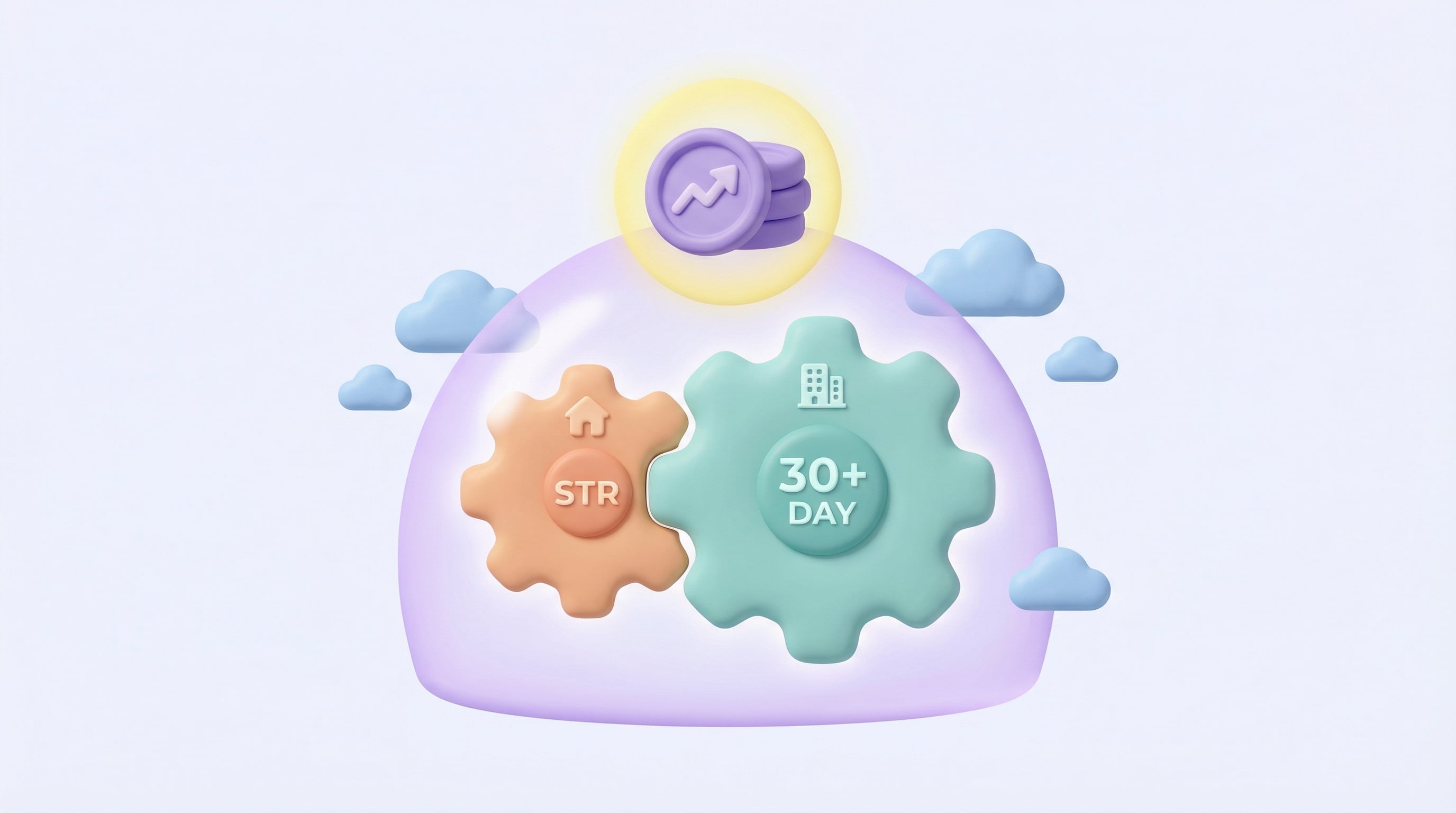
The short answer: The "Hybrid Rental Model Strategy 2025" is no longer optional, it is a survival mechanism. By blending high-yield short-term stays with stable mid-term corporate bookings (30+ days), property managers immunize their portfolios against aggressive municipal bans while stabilizing revenue during shoulder seasons. Success requires an operating system capable of automating two distinct workflows simultaneously.
The Regulatory Squeeze: Why Pure STR is High Risk in 2025
The regulatory walls are closing in. In 2024, New York City's Local Law 18 effectively removed 15,000 short-term listings from the market overnight. As we move through 2025, similar "principal residence" restrictions are rolling out across major markets from British Columbia to the European Union. The data is clear: relying 100% on nightly rentals exposes your portfolio to an existential threat.
However, the demand for flexible living has not disappeared; it has shifted. The "slowmad" demographic and corporate relocation sector are driving a surge in 30-90 day bookings. In fact, industry data suggests that mid-term rentals are currently seeing occupancy rates stabilize above 85% in urban markets where pure STRs are struggling to break 60% during off-peak months. The pivot to a hybrid model is not just about compliance; it is about revenue continuity.
The Operational Failure of "One-Size-Fits-All" Tech
The problem is not finding the guests; the problem is operational execution. Most property management software is architected for the nightly flip. When you attempt to shoehorn a three-month corporate tenant into a workflow designed for a three-day vacationer, operations break down.
Short-term tools lack the robust screening required for tenancy rights. They trigger daily cleaning alerts for guests who only need bi-weekly service. They generate door codes that expire too soon. This friction forces teams to revert to manual spreadsheets for mid-term stays, destroying the scalability you worked to build.
SuiteOp: The "Flex-OS" for Hybrid Operations
To scale a hybrid portfolio, you need technology that adapts its behavior based on the length of stay. SuiteOp functions as a "Flex-OS," allowing you to configure Smart Rules that automatically toggle between STR and MTR workflows without manual intervention.
1. Automated Risk Calibration
A guest staying for two nights poses a different risk profile than a tenant staying for three months. For short stays, speed is the priority. For mid-term stays, security and legal compliance are paramount. Using SuiteVerify, you can automate a tiered screening process. Short-term guests undergo standard ID checks and sex offender registry scans. For bookings over 28 days, the system automatically triggers a requirement for a signed digital lease agreement and a deeper background check, ensuring you are protected against tenancy laws before check-in occurs.
2. Dynamic Access Control
Manual key handovers for corporate tenants are inefficient. Yet, regenerating smart lock codes every week for a long-term guest creates friction. SuiteConnect solves this by syncing access privileges directly to the reservation length. If a corporate booking extends their stay by a month, the access code validity automatically extends in real-time. Furthermore, you can integrate SuiteMonitor to maintain neighborhood peace, adjusting noise sensitivity thresholds based on the type of tenant and local ordinances.
3. bifurcated Maintenance Workflows
Mid-term guests do not require the daily turnover logistics of a vacationer, but they do require consistent maintenance to preserve the asset. SuiteKeeper allows you to automate distinct cleaning schedules. For a 30+ day stay, the system can auto-schedule "mid-stay refresh" cleans every two weeks rather than a "checkout clean" every three days. This prevents asset degradation during long stays while keeping your housekeeping team efficient.
Comparing the Workflows: Manual vs. Hybrid Automation
The difference between a manual pivot and an automated one is profit margin. Here is how the process shifts with SuiteOp:
- Guest Vetting: Manual credit checks and PDF leases via email → Automated tiered screening and digital lease execution via SuiteVerify.
- Access Management: Physical key handovers or manually extending lock codes → Auto-syncing smart codes that adjust to reservation changes via SuiteConnect.
- Guest Experience: Fragmented communication via text/email → Centralized SuitePortal for house manuals, Wi-Fi info, and mid-stay service requests.
- Turnovers: Forgotten mid-stay cleans leading to dirty units → Auto-scheduled bi-weekly maintenance tasks via SuiteKeeper.
Ready to Automate Your Hybrid Portfolio?Stop managing 30-day stays with 3-day tools. See how SuiteOp automates the complexity of mid-term and short-term rentals in a single dashboard. Book a demo to see the Flex-OS in action.
See it running on your properties
A 30 minute demo with our team, on your own portfolio's workflows.