The short answer: In the 2026 M&A landscape, acquirers have shifted focus from gross unit count to EBITDA efficiency. Buyers are aggressively devaluing portfolios dependent on linear staffing, prioritizing instead those with "digital infrastructure" that operates autonomously. To secure a premium multiple, you must demonstrate that your operations run on software logic, not tribal knowledge.
The End of the "Land Grab" Era
For the past decade, the vacation rental industry operated under a simple thesis: growth at all costs. If you had inventory, you had value. However, the economic reality of 2026 has inverted this logic. With hospitality wage inflation projected to increase operational labor costs by 15% this year alone, a large portfolio managed by a large staff is no longer an asset. It is a liability.
Private equity groups and strategic acquirers are now scrutinizing the "Revenue per Employee" metric above all else. They are finding that 500-unit portfolios run on manual processes often generate less free cash flow than 200-unit portfolios utilizing full-stack automation. The market has bifurcated: "Tech-Enabled" operators are trading at SaaS-like multiples, while traditional property managers are seeing offers capped at 3-4x EBITDA, often with heavy earn-out contingencies tied to staff retention.
Why "Operational Chaos" Kills Deal Value
When an acquirer looks at your business, they are buying your future cash flows, not your past headaches. If your operations rely on a dispatcher texting cleaners, a manager physically checking thermostats, or a receptionist scanning IDs, you present a high "integration risk."
In this context, SuiteOp acts as the necessary Digital Infrastructure that converts operational chaos into a transferable asset. By embedding your workflows into software, you remove the reliance on specific individuals.
Automating the Cost Centers
Labor is the heaviest anchor on your P&L. SuiteKeeper replaces the need for a dedicated operations manager to oversee turnover. By auto-generating cleaning schedules based on checkout data and digitizing inspection checklists, you prove to buyers that your quality control is a replicable system, not a human dependency. This reduction in OpEx directly increases the bottom-line EBITDA that drives your valuation.
Protecting the Asset remotely
Investors fear asset degradation. A portfolio that requires site visits to resolve noise complaints or reset lock codes is unscalable. Implementing SuiteConnect and SuiteMonitor allows you to present a "self-healing" portfolio. When a buyer sees that smart locks, thermostats, and noise sensors are centrally managed and automated, they see a business that can scale from 500 to 5,000 units without a proportional increase in headcount.
The Risk Mitigation Premium
In 2026, regulatory compliance and fraud prevention are top-tier concerns during due diligence. A manual verification process is a red flag for legal liability. Using SuiteVerify to automate ID checks, rental agreements, and security deposits demonstrates a standardized risk protocol. This transforms "guest screening" from a vague variable into a documented, auditable process that passes legal scrutiny instantly.
Valuation Impact: Manual vs. Systematized Operations
The following comparison illustrates how institutional buyers view the difference between a traditional operator and a SuiteOp-enabled business:
- Transferability: Buyer must retain key staff (High Risk) vs. Buyer acquires automated workflows (Low Risk)
- Scaling Cost: Hiring 1 staff per 50 units vs. Adding software licenses (Near-zero marginal cost)
- Guest Experience: Inconsistent manual replies vs. Consistent SuitePortal self-service journey
- Asset Control: Reactive maintenance vs. Proactive IoT alerts via SuiteConnect
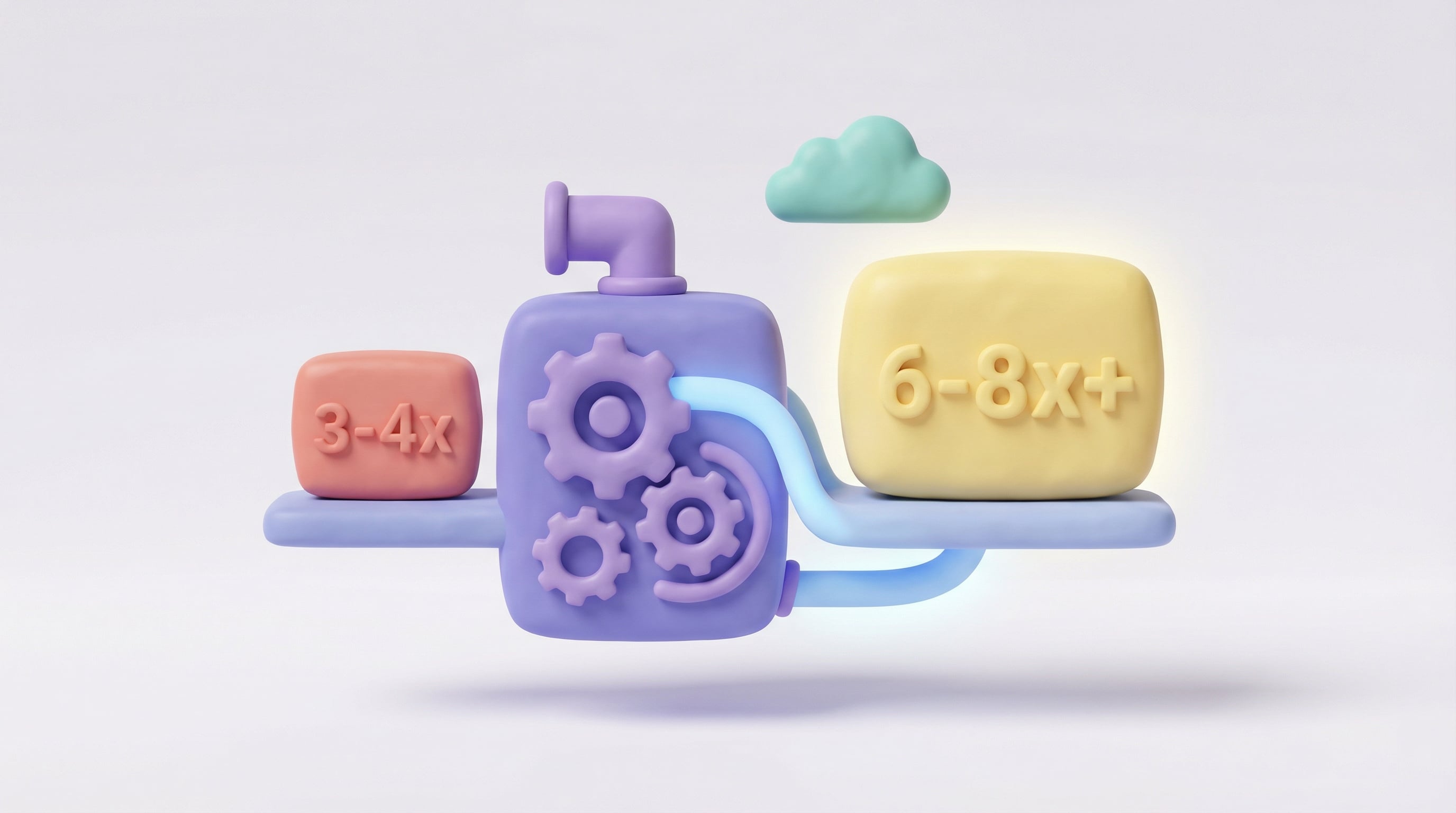
- Exit Multiple: discounted EBITDA (3-4x) vs. Premium Platform Multiple (6-8x+)
Ready to Automate Your Operations?See how SuiteOp transforms your portfolio into a scalable, high-value asset. Book a demo to see it in action.
See it running on your properties
A 30 minute demo with our team, on your own portfolio's workflows.